
How to Fix Scratches, Water Damage, and Stains on Wooden Furniture Properly
A client once brought me a mid-century teak cabinet and said, “I think I destroyed it. There are scratches, watermarks, and stains everywhere. Can this even be fixed?”
I examined the surface closely. I could see exactly what happened. Years of daily use had left scratches on the wood furniture surface. Water had penetrated the finish in some areas, and stains had formed where moisture had sat too long.
I reassured them immediately. I said, “This is completely fixable. Wood furniture restoration is designed to repair this kind of damage safely.”
Many people believe scratches, stains, and water damage mean their furniture is permanently ruined. But in reality, most damage affects only the surface finish. With proper refinishing and surface repair, it is possible to restore teak furniture and bring back its original beauty.
Understanding how scratches, stains, and furniture water damage happen makes it easier to choose the safest repair method before the finish becomes harder to restore.
Why Scratches, Water Damage, and Stains Happen on Wooden Furniture
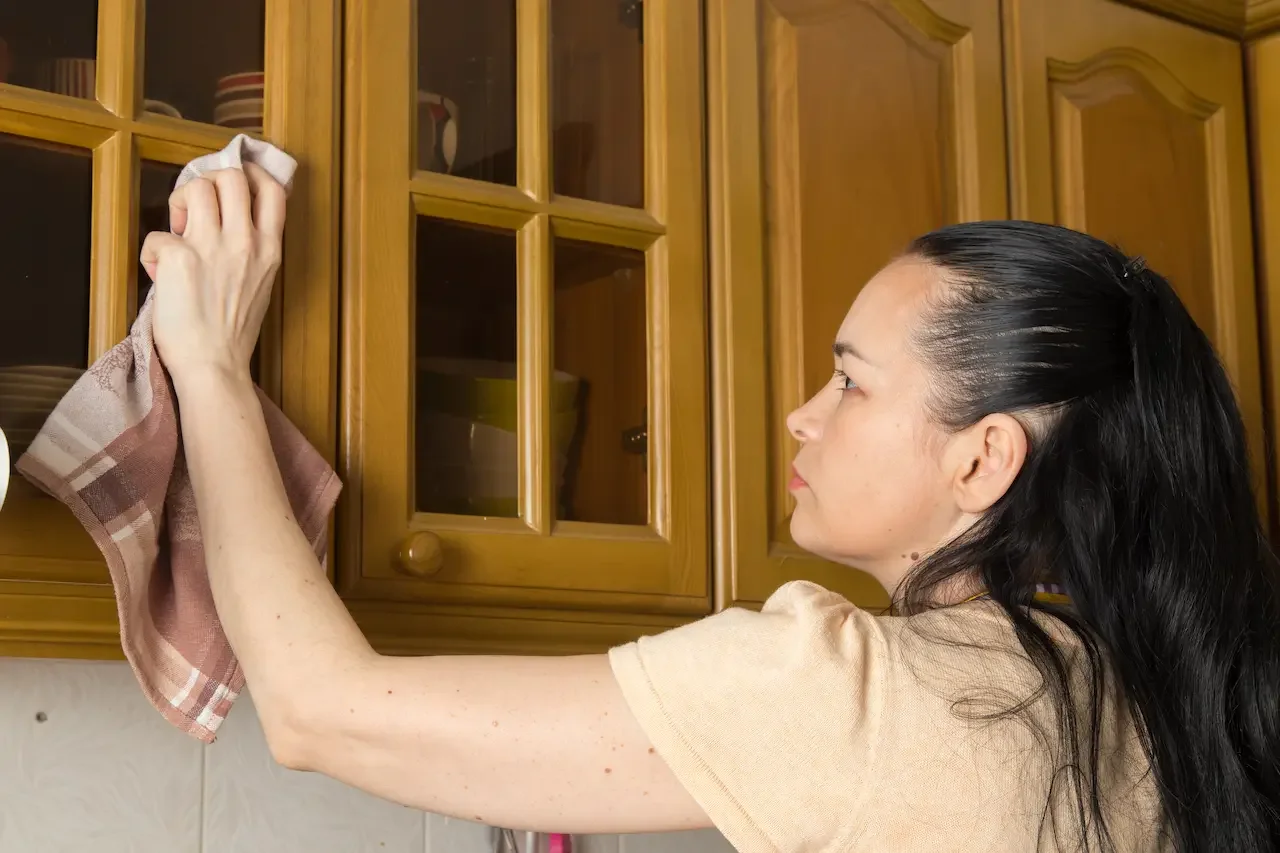
Wood is a natural material that reacts to everyday use and environmental conditions. Over time, the protective finish begins to wear down.
Scratches form when objects move across the surface. Even small movements create friction that affects the finish layer.
Water damage happens when moisture penetrates the protective layer. This creates cloudy marks, discoloration, and dull areas.
Early water damage furniture restoration can stop moisture marks from spreading and help protect the original timber surface before deeper refinishing is needed.
Stains develop when liquids or contaminants settle into the surface. These stains affect the appearance but rarely damage the internal wood structure.
In most cases, the furniture itself remains structurally sound. The visible damage is usually limited to the surface layer, which can be repaired with the correct techniques.
How I Inspect the Surface Before Starting Any Repair
Before I begin any work, I carefully inspect the furniture surface. This step is critical in determining the correct treatment.
I check the depth of scratches, the severity of water damage, and the extent of staining. Some scratches affect only the finish layer, while deeper scratches may reach the wood itself.
I also examine how the existing finish has aged. Older finishes may have become dry or thin, making the surface more vulnerable.
This inspection allows me to select the safest and most effective wood treatment approach. Every piece requires a slightly different method depending on its condition.
This careful evaluation ensures the repair of the wooden furniture surface process protects the original material.
How I Fix Scratches on Wood Furniture Surface Safely
When repairing scratches on furniture, I focus on preserving the original finish first, so the surface can be improved without removing unnecessary material.
For light scratches, I use gentle surface leveling techniques. This helps blend the scratch into the surrounding finish without removing excessive material.
For deeper scratches, I use controlled refinishing methods. This may include fine abrasive leveling, finish blending, and oil-based wood treatment to restore surface consistency.
For anyone wondering how to repair scratched furniture after moving, a professional inspection helps confirm whether the scratches are only in the finish or have reached the wood itself.
These techniques reduce scratch visibility while protecting the natural grain and texture.
Once the process is complete, the surface looks smooth again, and the original character of the furniture is preserved.
Proper refinishing ensures the furniture maintains its authenticity.
How I Repair Water Damage on Wood Furniture
Water damage often appears as white marks, faded areas, or uneven color. This happens when moisture disrupts the original finish.
To repair water damage on wood furniture, I first stabilize the surface by removing contaminants and preparing the finish.
Next, I apply controlled refinishing treatments that restore moisture balance to the wood. Restoration oils penetrate the surface and help revive the original tone.
Finish blending techniques help restore visual consistency across the surface.
Because furniture water damage can look worse than it really is, careful surface repair and teak and timber furniture refinishing can often restore colour, tone, and protection without replacing the piece.
This process allows the damaged area to recover naturally without replacing the original material.
The result is a balanced and restored surface that looks healthy again.
How I Remove Stains from Wood Furniture Without Causing Damage
When I remove stains from wood furniture, the goal is always to protect the original finish.
Stains often affect only the surface layer. Using careful refinishing techniques, I gradually improve the appearance of the affected areas.
I use controlled wood treatment methods that allow the surface to recover while maintaining its natural structure.
Harsh chemicals are avoided because they can damage the finish and weaken the wood.
Through careful refinishing and surface blending, most stains can be significantly reduced or completely corrected.
This preserves both the appearance and structural integrity of the furniture.
Why Teak and Mid Century Furniture Respond Very Well to Refinishing

Teak and mid century furniture are excellent candidates for refinishing because they were built using high-quality materials.
Teak contains natural oils that help the wood recover during restoration. When these oils are replenished, the wood regains its original warmth and richness.
Mid-century furniture was designed with restoration in mind. The finishes were intended to be maintained and renewed over time.
This makes it possible to restore teak furniture and repair damaged surfaces without compromising authenticity.
Proper refinishing protects the furniture while preserving its original craftsmanship.
Why Professional Wood Furniture Restoration Gives Superior Results
Professional wood furniture restoration ensures the correct techniques and materials are used.
Improper repair attempts often cause more damage. Incorrect products may block the wood or create uneven finishes.
Professional wood furniture restoration focuses on surface repair, finish blending, and proper wood treatment through safe, controlled methods.
These techniques restore the furniture while protecting its long-term durability.
Expert repair also ensures that the original finish and appearance are preserved.
This helps maintain both the beauty and value of the furniture.
How Proper Repair and Refinishing Extends Furniture Lifespan
Repairing scratches, water damage, and stains does more than improve appearance. It protects the wood and strengthens the finish.
Proper refinishing restores the protective surface and prevents future damage.
This extends the lifespan of the furniture significantly.
Wood furniture is designed to last for generations. With proper care and professional refinishing, it continues to remain strong and beautiful.
Repairing damage ensures the furniture continues to serve its purpose while preserving its original character.
Conclusion
When people see scratches, water damage, or stains on their furniture, they often believe the damage is permanent. I understand that feeling. It is difficult to watch a beautiful piece slowly lose its appearance. But in most cases, the damage affects only the surface, not the structure of the wood.
I have worked on many pieces that looked severely damaged at first. The surface was scratched, faded, and uneven. But with proper wood furniture restoration, careful refinishing, and correct wood treatment, the transformation was remarkable. The natural grain returned. The surface became smooth again. The furniture regained its original warmth and beauty.
The key is using the correct techniques. When scratches are properly leveled, water damage is carefully treated, and stains are safely corrected, the furniture can be fully revived without losing its original character.
Wood furniture was built to last for decades. With professional care and proper refinishing, it can continue to serve your home while maintaining its strength and appearance.
Why Choose Us for Wood Furniture Restoration
When someone brings me their furniture, I know they are trusting me with something valuable. My approach focuses on preserving the original finish while repairing surface damage safely.
I carefully inspect each piece to understand the level of scratches, water damage, and staining. This allows me to choose the correct refinishing and repair methods. I use professional wood treatment techniques that restore the surface while protecting the natural structure.
I do not use harsh coatings that hide the original beauty. Instead, I focus on finishing repair, surface blending, and proper oil-based refinishing to restore the wood naturally.
Clients are often surprised by how much their furniture improves. Pieces that looked worn and damaged regain their original richness and smooth finish.
Choosing expert wood furniture restoration ensures your furniture is repaired safely and continues to last for many years.
Frequently Asked Questions
Can scratches on wood furniture be fixed completely?
Yes, most scratches can be significantly reduced or completely repaired. Proper refinishing and surface blending help restore the original appearance while protecting the finish.
How do you repair water damage on wood furniture?
Water damage is repaired by stabilizing the surface, restoring moisture balance, and using professional refinishing techniques to restore the original tone and consistency.
Is it possible to remove stains from wood furniture safely?
Yes, most stains can be safely treated using proper wood treatment methods. Careful refinishing improves the appearance without damaging the wood.
Can old teak furniture be restored after damage?
Yes, teak responds very well to professional refinishing. Proper teak furniture restoration restores its natural oils, color, and strength.
Is professional wood furniture restoration better than DIY repair?
Yes, professional restoration ensures the correct materials and techniques are used. This prevents further damage and preserves the original finish.
How long does restored wood furniture last?
With proper care and maintenance, restored furniture can last for many decades while maintaining its beauty and durability.