
Is It Better to Restore Mid-Century Furniture or Buy New Furniture
A client once stood in my workshop looking at their old mid-century teak cabinet and said, “I am not sure what to do. Should I restore mid-century furniture like this, or should I just buy something new?”
This is a question I hear very often. People see scratches, fading, and wear, and they begin to wonder if the furniture has reached the end of its life. At the same time, they know modern furniture does not always have the same character, durability, or craftsmanship.
I explained honestly, “In most cases, restoring mid-century furniture is the better choice. These pieces were built using solid wood and careful construction. With professional furniture refinishing, they can continue to serve your home for decades.”
Understanding when to restore mid century furniture instead of replacing it helps you protect quality, value, and original craftsmanship for the long term.
Understanding the Quality of Mid-Century Furniture

Mid-century furniture was built during a time when quality was the highest priority. Craftsmen used durable hardwoods like teak and walnut because of their strength and natural beauty.
Many homeowners search for restore mid century furniture guidance because original teak and walnut pieces usually offer stronger materials, better joinery, and longer-lasting value than today’s mass-produced furniture.
When I work on mid-century modern furniture restoration projects, I often see how well these pieces have survived after fifty or sixty years. Even when the surface appears worn, the structure remains strong and stable.
Modern furniture is often made with thinner materials or composite products. These materials do not age the same way solid wood does.
This is one of the key reasons why restoration is often the better long-term investment. Solid wood furniture can be restored repeatedly, while lower-quality furniture cannot.
Why Mid-Century Furniture Can Be Restored Successfully
Many people assume visible damage means permanent damage. In reality, most problems affect only the finish layer, not the internal wood structure.
Scratches, fading, and dryness develop slowly over time. These issues can be corrected through professional furniture refinishing and careful wood treatment.
Through careful mid century furniture restoration and professional furniture repair and structural restoration, worn surfaces can often be revived without removing the character, shape, or original design details that make the piece valuable.
When I restore teak furniture or restore walnut furniture, the transformation is often dramatic. The wood regains its natural oils, color, and depth.
Restoration allows the furniture to recover naturally while preserving its original craftsmanship.
This is why so many people choose to restore vintage furniture instead of replacing it.
Cost Comparison: Restoration vs Buying New Furniture
In many cases, restoring mid-century furniture is more cost-effective than buying new furniture of similar quality.
High-quality modern furniture made from solid wood can be expensive. In contrast, restoration focuses on preserving existing materials while improving appearance and durability.
Restoration also extends the lifespan of the furniture, making it a long-term investment.
Lower-cost modern furniture often uses veneers or composite materials, which do not last as long as solid wood mid-century pieces.
This is why mid century furniture restoration is often the smarter financial and structural choice when the original frame, timber, and joinery are still strong.
Emotional Value of Restoring Original Furniture
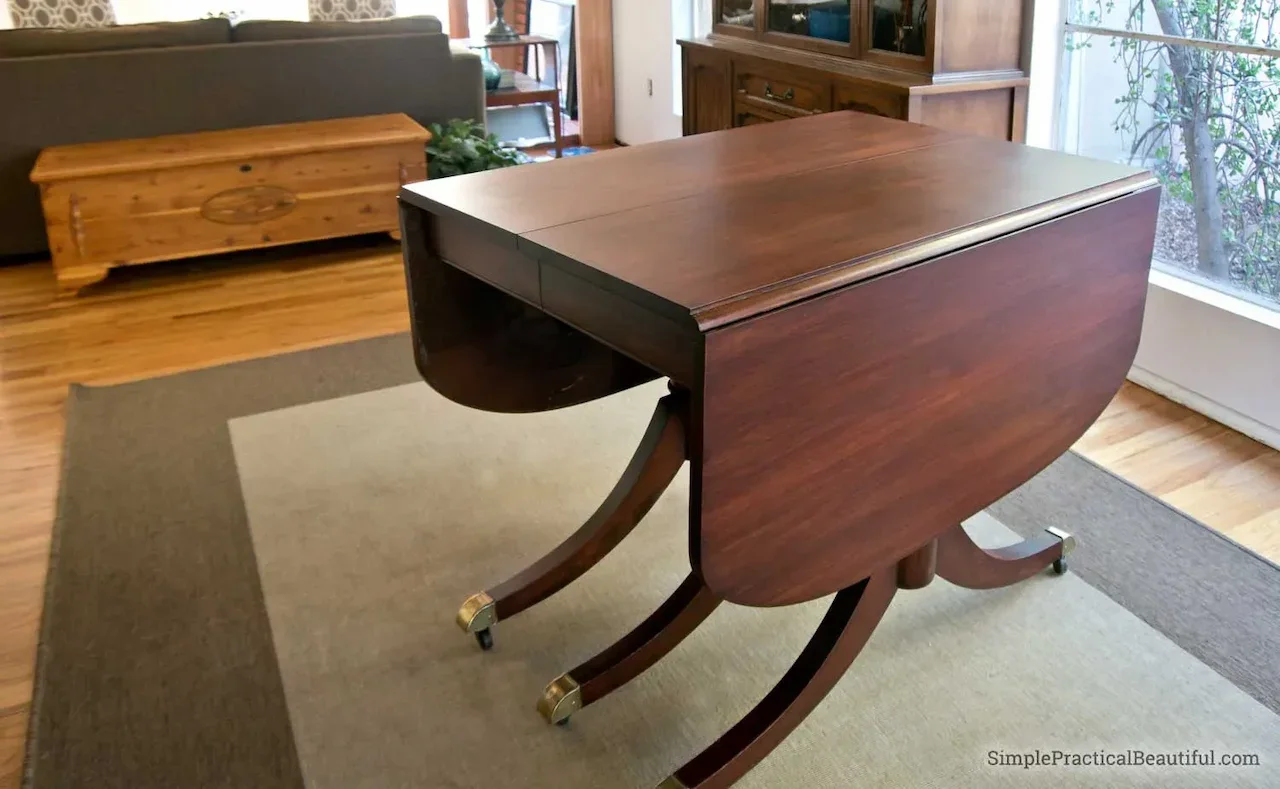
Furniture often carries emotional significance. It may have belonged to parents, grandparents, or been part of a home for many years.
Clients frequently tell me, “This piece has been in our family for decades.”
Choosing to restore vintage furniture allows that connection to continue. The furniture remains part of your life while regaining its original beauty.
Replacing the piece would mean losing both its physical presence and emotional meaning.
Restoration preserves that history.
Environmental Benefits of Furniture Restoration
Restoring furniture is also an environmentally responsible decision. It reduces waste and extends the life of existing materials.
When furniture is discarded, it contributes to landfill waste. Restoration prevents this unnecessary disposal.
Choosing restoration reduces the demand for new furniture production and supports sustainability.
Mid-century furniture was built to last, and restoring it respects both craftsmanship and environmental responsibility.
This makes restoration a practical and sustainable choice.
Why Restored Furniture Often Looks Better Than New Furniture
Many people are surprised when they see the results of professional furniture refinishing. The wood regains its warmth, depth, and clarity.
Natural grain patterns become visible again. The surface looks rich and balanced.
Modern furniture often uses artificial finishes that do not provide the same authentic appearance.
When properly restored, mid-century furniture maintains its originality while looking refreshed
Clients often say, “I did not expect it to look this good again.”
Professional refinishing enhances the beauty without removing the character.
When Buying New Furniture May Be Considered
There are situations where buying new furniture may be necessary. Severe structural damage or missing components can sometimes require extensive reconstruction.
However, these situations are less common than people expect.
Most mid-century pieces can be successfully repaired, refinished, and restored.
A professional evaluation helps determine the best option.
In most cases, restoration remains the better choice.
Why Professional Restoration Provides Long-Term Value

Professional mid-century modern furniture restoration focuses on preserving the original material while improving durability.
For anyone researching mid century modern restoration latest methods, teak and timber furniture refinishing remains one of the safest ways to protect the timber, original finish, and long-term value of the piece.
Surface refinishing restores protection and prevents further wear.
Wood treatment restores moisture balance and improves stability.
Professional restoration also protects the value of vintage furniture and preserves its original craftsmanship.
This ensures the furniture remains functional, beautiful, and structurally sound for many years.
Restoration allows you to preserve quality while extending the life of your furniture.
Conclusion
When people ask me whether they should restore mid-century furniture or buy new furniture, I always encourage them to consider the long-term value. In most cases, restoration is the better choice. Mid-century furniture was built using solid teak, walnut, and other durable hardwoods. These materials were designed to last for generations.
I have seen countless pieces that looked worn, faded, and damaged at first. But after professional furniture refinishing, the transformation was incredible. The natural grain returned. The surface became smooth and rich again. The furniture regained its strength and beauty.
Restoration is not just about improving appearance. It is about preserving craftsmanship, protecting value, and extending the life of furniture that was built to endure. Choosing to restore vintage furniture allows you to keep something meaningful while ensuring it remains functional and beautiful for many years.
In most situations, choosing to restore mid-century furniture provides better quality, durability, sustainability, and long-term value than replacing it with new modern furniture.
Why Choose Us for Mid-Century Modern Furniture Restoration
When someone trusts me with their furniture, I understand the importance of preserving its originality. Every piece has its own history, character, and craftsmanship. My goal is to restore mid-century furniture carefully while protecting its authentic finish.
I begin by inspecting the furniture to understand its condition, wood type, and existing finish. Whether it is teak, walnut, or another hardwood, I use professional furniture refinishing methods that restore the surface safely.
I focus on restoring natural oils, repairing surface damage, and improving durability without covering or hiding the original beauty. This allows the furniture to retain its authenticity while looking refreshed.
Clients are often surprised by how much their furniture improves. Pieces that looked aged and worn regain their warmth, depth, and elegance.
Choosing expert mid-century modern furniture restoration ensures your furniture is preserved properly and continues to last for decades.
Frequently Asked Questions
Is it worth it to restore mid-century furniture?
Yes, it is often worth restoring mid-century furniture because it is made from high-quality solid wood. Restoration preserves its craftsmanship and extends its lifespan.
Is mid-century furniture better quality than modern furniture?
In many cases, yes. Mid-century furniture was built using stronger materials and better construction methods than much of today's mass-produced furniture.
Can badly worn mid-century furniture be restored?
Yes, most worn furniture can be restored successfully. Professional refinishing and wood treatment can repair surface damage and restore the original appearance.
Is restoring furniture cheaper than buying new furniture?
Restoration is often more cost-effective than buying new furniture of similar quality. It also extends the life of the original piece.
Can you restore teak and walnut furniture safely?
Yes, teak and walnut respond very well to professional restoration. Proper wood treatment restores natural oils and protects the surface.
How long does restored mid-century furniture last?
With proper care, restored furniture can last for many decades while maintaining its strength and beauty.