
How Can We Maintain the Value of Mid-Century Furniture During Restoration?
Maintaining the value of mid-century furniture during restoration requires more than improving its appearance. Every decision can affect the piece’s original materials, structural integrity, design character and future desirability. An unsuitable repair may make the furniture look temporarily improved while permanently removing features that contributed to its authenticity.
Value should not be understood only as a potential selling price. A piece may also have functional, historical, design or sentimental significance. For some owners, preserving an original finish or maker’s label is important; for others, the priority is making an inherited dining chair safe to use without changing its recognisable character.
Effective restoration therefore begins with assessment rather than immediate sanding, stripping or refinishing. The condition, construction, provenance and intended use of the furniture must be considered before deciding what should be repaired, preserved or left untouched.
Why Value Preservation Matters During Restoration
Mid-century furniture is often appreciated for the relationship between its proportions, materials, construction and surface character. These qualities can be altered when a piece is over-sanded, coated with an unsuitable finish or rebuilt using components that do not match its original design. Restoration should improve stability and usability without erasing the details that distinguish the furniture from a modern reproduction.
Natural ageing is not automatically a defect. Minor fading, colour variation, light scratches and an established patina may provide evidence of age and use. Removing every visible mark can leave the furniture looking heavily altered, particularly when the work changes the original sheen, timber colour or edge profiles.
Active deterioration must still be addressed. Loose joints, lifting veneer, exposed timber, water-related swelling and failing coatings may continue to worsen when ignored. Value-focused restoration distinguishes stable signs of age from damage that threatens the furniture’s structure or original materials.
What Determines the Value of Mid-Century Furniture?
The value of a mid-century piece is influenced by several connected factors. These include the maker or designer, rarity, provenance, condition, originality, construction quality and current buyer demand. Restoration is only one part of that assessment and does not guarantee that the furniture will become more valuable.
Maker, Designer and Provenance
Labels, stamps, serial numbers, receipts, catalogues and ownership records can help establish where and when a piece was made. Recognised attribution may increase interest, but even an unlabelled item can have design, material or sentimental value.
Evidence should be documented before restoration begins. Labels and stamps should not be sanded, coated or removed merely to create a cleaner appearance. Photographs of these identifying details can also help record the furniture’s pre-restoration condition.
Original Materials and Components
Original timber, veneer, handles, hinges, legs, drawer pulls and other fittings contribute to authenticity. Visible wear does not automatically make an original component unsuitable. Repairing and retaining it may be more appropriate than replacing it with a visually similar modern part.
Replacement may become necessary when a component is missing, unsafe or too damaged to function. In that situation, the new element should match the original dimensions, material, profile and visual character as closely as practical. Any surviving original parts should be retained when possible.
Condition and Structural Integrity
Condition affects both usability and value. A piece may have an attractive surface but still contain loose joints, weakened rails, cracked supports or previous repairs that compromise its stability. Cosmetic refinishing should not conceal structural problems that remain unresolved beneath the surface.
At the same time, poor condition does not necessarily mean that complete reconstruction is appropriate. A selective repair may stabilise the affected area while preserving sound original components. The scope should respond to the actual damage rather than applying the same treatment to the entire piece.
Assessing the Furniture Before Restoration Begins
A thorough assessment examines the furniture as a complete object. The timber, veneer, finish, joinery, hardware, upholstery and previous repairs should be reviewed before treatment is selected. Movement in one joint may be related to weakness elsewhere in the frame, while apparent surface discolouration may come from a failed coating rather than damaged timber.
The existing finish must also be identified as accurately as possible. A factory-applied coating, later varnish, oil, wax or polish may respond differently to cleaning products and solvents. Applying a new product without understanding the existing surface can cause clouding, poor adhesion, uneven colour or contamination.
Photographs should be taken before work begins. They can record labels, hardware positions, damaged areas, previous alterations and the overall condition. This documentation supports more controlled decision-making and creates a useful record of what was preserved or repaired.
Restoration Principles That Help Protect Value
Value-focused restoration is based on restraint. The objective is not to carry out the greatest possible amount of work, but to complete the least invasive treatment that produces a stable, usable and visually balanced result.
Important principles include:
Retaining sound original materials and components
Repairing locally instead of replacing entire sections unnecessarily
Matching replacement materials to the original construction
Preserving stable patina and signs of age
Testing products in an inconspicuous area
Avoiding irreversible treatment where a restrained option is available
Minimal intervention does not mean leaving serious damage untreated. It means distinguishing necessary work from changes made only to achieve a newly manufactured appearance. A loose structural joint may require complete attention, while a stable surface variation may require no treatment at all.
Restoration should also remain proportionate to the furniture. A rare designer piece, an everyday dining chair and a previously altered cabinet may require different levels of documentation, material matching and intervention. The treatment should reflect the piece’s significance, condition and intended use.
Structural Restoration and Long-Term Value
Structural integrity is fundamental to value because furniture must remain safe and functional. Loose mortise-and-tenon joints, separating rails, cracked legs and unstable frames can worsen through continued use. Movement places additional pressure on surrounding components and may turn a localised repair into a more extensive structural problem.
A structural repair should address the reason for the failure rather than simply stopping visible movement. Adding screws, nails or metal brackets may provide temporary support, but these additions can split timber, distort joints or interfere with future repair. Suitable adhesives and controlled reassembly are selected according to the original construction and current condition.
Professional furniture repair and structural restoration in Melbourne can help restore stability while retaining original components wherever their condition allows. Structural work should normally be completed before cosmetic refinishing so that later movement does not damage the restored surface.
Protecting Timber, Veneer and Original Finishes
Many mid-century pieces combine solid timber components with thin decorative veneer applied over a stable substrate. Veneer can display high-quality grain while allowing furniture to remain lighter and dimensionally stable, but its limited thickness makes aggressive sanding particularly dangerous.
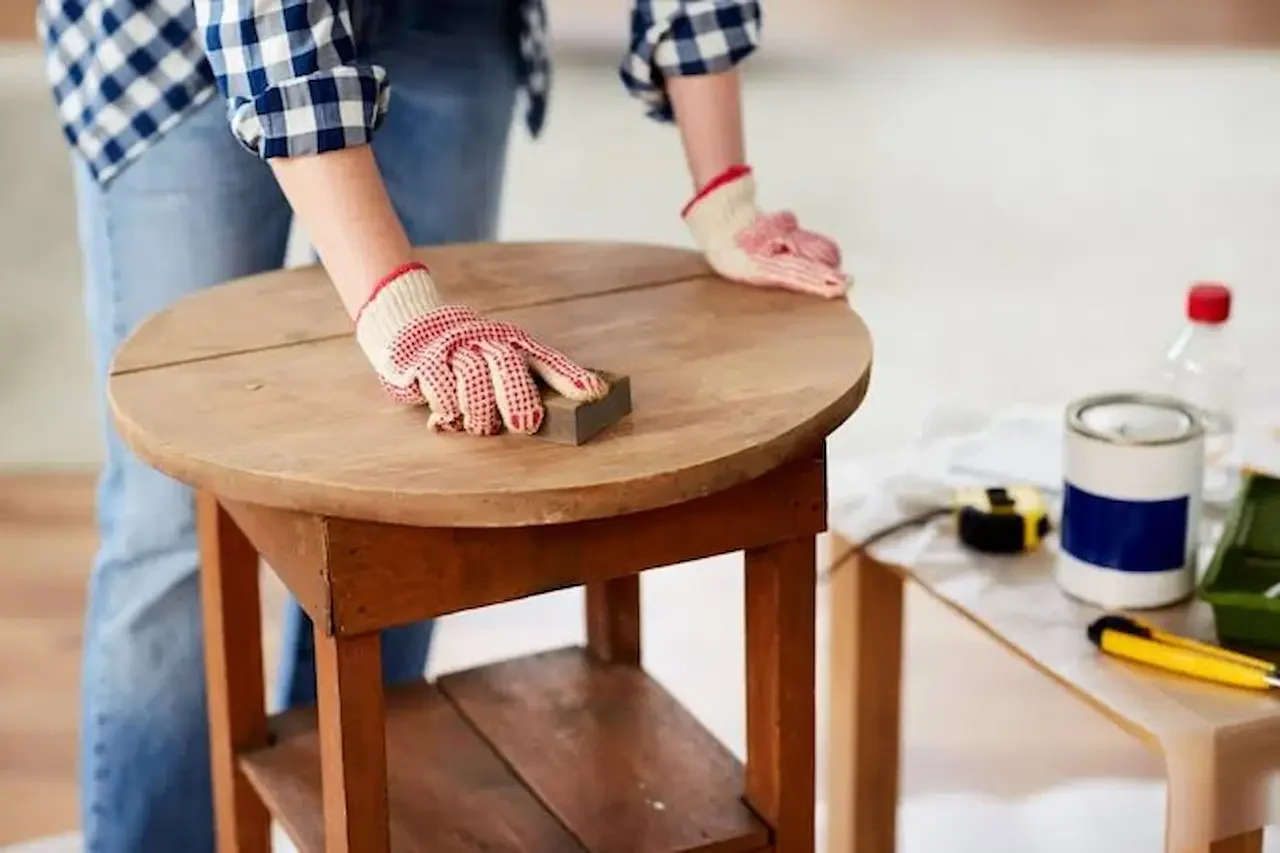
Once veneer has been sanded through, the exposed substrate cannot be restored by applying more stain or oil. Lifting veneer must also be stabilised carefully because forcing adhesive beneath an unstable area can cause staining, swelling or uneven pressure. Missing sections may require matching the species, grain direction, colour and thickness of the original material.
The finish should be preserved when it remains stable, protective and visually appropriate. Minor fading or patina may be retained, while a sticky, flaking, severely stained or non-protective coating may require controlled correction. Professional teak and timber furniture refinishing should focus on the condition of the existing surface rather than automatically stripping every piece back to bare timber.
Colour matching is another important consideration. Timber colour is affected by species, age, light exposure, finish type and previous treatment. Applying a standard stain to one area can make the repair more noticeable, while darkening the entire piece to hide a local defect may unnecessarily alter sound original surfaces.
Original Hardware, Upholstery and Design Details
Handles, hinges, drawer pulls, feet, fasteners and decorative fittings form part of the furniture’s design language. Even when these components show wear, their proportions and materials may be difficult to reproduce accurately. Cleaning, adjusting or repairing original hardware is often preferable to replacing it with a modern approximation.
When replacement is unavoidable, dimensions and mounting positions should be recorded before the original component is removed. New holes should not be drilled merely because a replacement handle uses different centres. Altering the surrounding timber can make later reinstatement of a correct component more difficult.
Upholstery requires a similarly balanced approach. Fabric may need replacement because of deterioration, contamination or loss of support, but the underlying frame, springs, webbing and padding should be assessed before selecting the scope. Replacement materials should respect the furniture’s proportions and intended comfort rather than making the seat visually or physically inconsistent with the design.
Common Restoration Mistakes That Can Reduce Value
Over-sanding is among the most damaging mistakes because it permanently removes material. It can wear through veneer, soften defined edges, change drawer alignment and erase subtle manufacturing details. Sanding should not be used as the automatic solution for every mark or discolouration.
Unsuitable modern coatings can also change the character of a piece. A thick, highly glossy finish may obscure grain, alter colour and create a surface inconsistent with the furniture’s period. Incompatible products may fail to bond properly or make future treatment more difficult.
Another common mistake is replacing original components before determining whether they can be repaired. Worn hardware, loose joints or damaged veneer may still be recoverable. Unnecessary replacement removes evidence of original construction and can make the piece appear more extensively altered than its condition required.
Focusing exclusively on appearance creates further risk. A polished surface cannot compensate for unstable joints, hidden cracks or weakened supports. Structural safety and material preservation should be resolved before cosmetic improvement becomes the priority.
When Is Professional Restoration the Safer Choice?
Basic dust removal and cautious non-invasive cleaning may be manageable at home when the material and finish are understood. Work involving sanding, chemical stripping, veneer repair, structural joinery, colour correction or complete refinishing requires greater technical judgement.
Professional assessment is particularly appropriate when:
The furniture has loose, separating or misaligned joints
Veneer is lifting, missing, cracked or bubbling
Timber components are split, distorted or unstable
The finish is sticky, flaking, cloudy or extensively damaged
Previous repairs include visible screws, brackets or excess adhesive
The piece is branded, rare, valuable or sentimentally important
The original material or finish cannot be confidently identified
Owners can book a furniture restoration assessment before authorising extensive work. An assessment can identify whether the piece needs structural repair, localised surface treatment, complete refinishing or no immediate intervention.
Professional involvement does not mean that every item must receive a full restoration. In many cases, the most appropriate recommendation is a staged or limited treatment that addresses active deterioration while preserving stable original material.
How the Environment Affects Restored Furniture
Timber responds to changes in moisture and temperature by expanding and contracting. Repeated environmental fluctuations can contribute to joint movement, veneer lifting, surface checking and distortion. Restored furniture should therefore be kept in a reasonably stable indoor environment wherever possible.
Direct sunlight can gradually alter timber and upholstery colour. Uneven exposure may create visible differences between covered and uncovered areas or between the front and side of a piece. Positioning furniture away from strong direct sunlight, or managing exposure with blinds and curtains, can reduce uneven fading.
Furniture should also be protected from heaters, fireplaces, damp walls and persistent condensation. Spills should be addressed promptly without saturating the surface. Rugs, felt pads and suitable coasters can provide protection, but materials that trap moisture or react with the finish should be avoided.
Understanding Restoration Cost and Value
Restoration cost depends on the condition, construction and amount of skilled work required. Structural disassembly and reassembly, veneer matching, colour correction, hardware repair, upholstery and finish curing can require different materials and working periods. Previous unsuccessful repairs may also increase the complexity of treatment.
The decision should not be based solely on comparing the restoration fee with an estimated resale price. Replacement difficulty, build quality, intended use and sentimental importance may make restoration worthwhile even when the financial return is uncertain. Conversely, expensive work should not be assumed to increase market value automatically.
A staged approach may be appropriate when the available budget is limited. Structural safety and active deterioration can be prioritised first, followed by cosmetic work when necessary. This prevents surface refinishing from consuming the budget while more important stability problems remain unresolved.
How to Care for Restored Mid-Century Furniture
Aftercare should follow the type of finish applied during restoration. A product suitable for an oil-finished surface may not be appropriate for lacquer, shellac, varnish or another coating. Oils, waxes and polishes should not be applied routinely unless their compatibility with the existing finish is known.
Dust should be removed using a clean, soft cloth without aggressive rubbing. Spills should be blotted promptly, and harsh household cleaners should be avoided. Products containing strong solvents, abrasives or silicone can alter the surface or complicate future restoration.
Furniture should be moved by lifting it from structurally appropriate points rather than dragging it across the floor. Chairs should not be carried by arms or back rails unless the construction is designed for that load. Early attention to new movement, veneer lifting or finish changes can prevent a small issue from becoming more extensive.
Why Choose Us for Mid-Century Furniture Restoration?
Our restoration approach begins with the condition and construction of the individual piece. The surface, timber, veneer, joinery, hardware, finish and previous repairs are considered before a treatment is recommended. This avoids applying the same refinishing process to furniture with different materials and needs.
The objective is to retain sound original components while addressing damage that affects stability, protection or usability. Where a localised repair is sufficient, unnecessary complete refinishing should be avoided. Where structural damage is present, stability should be resolved before cosmetic work begins.
Recommendations are proportionate to the furniture’s condition and intended use. Some pieces require extensive intervention, while others benefit from careful cleaning, minor stabilisation or no immediate treatment. Clear photographs of the complete item, damaged areas, joints, labels and finish can support an initial review.
Conclusion
Maintaining the value of mid-century furniture during restoration requires careful assessment, restrained intervention and respect for original materials. Value is supported when structural problems are repaired, active deterioration is controlled and stable features are retained rather than unnecessarily replaced.
Restoration cannot guarantee financial appreciation, but an appropriate process can help protect authenticity, usability and design integrity. The safest approach is to understand the furniture before changing it and to avoid irreversible work when a less invasive treatment can achieve the required result.
Frequently Asked Questions
How Can We Maintain the Value of Mid-Century Furniture During Restoration?
Preserve sound original timber, veneer, hardware, joints and finishes wherever practical. Repairs should focus on active damage, instability and loss of protection rather than changing every visible sign of age. Restrained, material-appropriate treatment helps protect authenticity and usability.
Does Restoration Increase Furniture Value?
Restoration may improve condition, safety and buyer appeal, but it does not guarantee a higher selling price. Value also depends on the maker, rarity, provenance, originality and market demand. Poor or excessive restoration may reduce desirability even when the furniture looks newer.
What Should Be Avoided During Restoration?
Avoid excessive sanding, harsh stripping, incompatible coatings and unnecessary replacement of original components. These methods can remove veneer, alter colour, soften edges or conceal original construction. Treatment should remain proportionate to the actual damage.
Can Replacing Original Parts Reduce Furniture Value?
Replacement may affect value when original handles, legs, hinges or structural components contribute to authenticity. Repairing and retaining these parts is generally preferable when they remain serviceable. When replacement is unavoidable, the new component should match the original material, dimensions and design closely.
Should the Original Finish Always Be Preserved?
The original finish should be retained when it remains stable, protective and visually appropriate. Complete preservation may not be practical when the coating is sticky, flaking, contaminated or no longer protecting the timber. The least invasive suitable treatment should be selected after assessment.
Can Over-Restoration Lower the Value of Mid-Century Furniture?
Yes. Over-restoration can remove original material, patina and manufacturing details that support authenticity. A well-restored piece should appear stable and carefully maintained rather than completely remade.
Is Professional Restoration Better for Valuable Furniture?
Professional assessment is generally safer for rare, branded, veneered, structurally damaged or sentimental furniture. A restorer can identify materials and previous repairs before selecting a treatment. This reduces the risk of irreversible sanding, coating or reconstruction mistakes.
How Do We Decide Which Repairs Are Necessary?
Repairs should be prioritised when damage affects safety, stability, usability or the preservation of original material. Loose joints, lifting veneer, exposed timber and active moisture damage normally require attention. Stable patina and minor colour variation may not need treatment.
How Does Provenance Affect Mid-Century Furniture Value?
Provenance can connect a piece to a maker, designer, period or ownership history. Labels, receipts, catalogues and photographs may help support that history. These records and identifying marks should be documented and protected during restoration.
Should Restoration Work Be Documented?
Documentation can record the furniture’s initial condition, original components and treatments completed. Before-and-after photographs and notes about replacement materials may be useful for future owners or restorers. Documentation is particularly valuable when the piece has recognised provenance or receives substantial structural work.