
What to Bring to a Vintage Furniture Restoration Workshop
We often notice that many participants arrive at a vintage furniture restoration workshop excited to learn but unsure about what they should actually bring. Proper preparation before attending a workshop plays a major role in how much value you gain from the experience. When participants arrive prepared, they can focus fully on learning restoration techniques instead of worrying about missing tools or materials.
From our experience guiding restoration sessions, we always encourage participants to bring a few essential items that allow them to participate actively. A well prepared attendee gains more practical experience and develops the confidence needed to continue restoring furniture after the workshop ends.
Preparing for a vintage furniture restoration workshop is not complicated, but bringing the right items can greatly improve the learning experience and help you make the most of the training.
Understanding the Purpose of a Vintage Furniture Restoration Workshop
Before deciding what to bring, it helps to understand how a vintage furniture restoration workshop typically works. We have guided many participants through these sessions, and the most successful attendees usually arrive with both the right tools and the right expectations.
A workshop focuses on teaching practical restoration skills such as repairing furniture joints, preparing surfaces, sanding timber, and applying finishes. Participants normally work on their own furniture piece while learning professional restoration methods step by step.
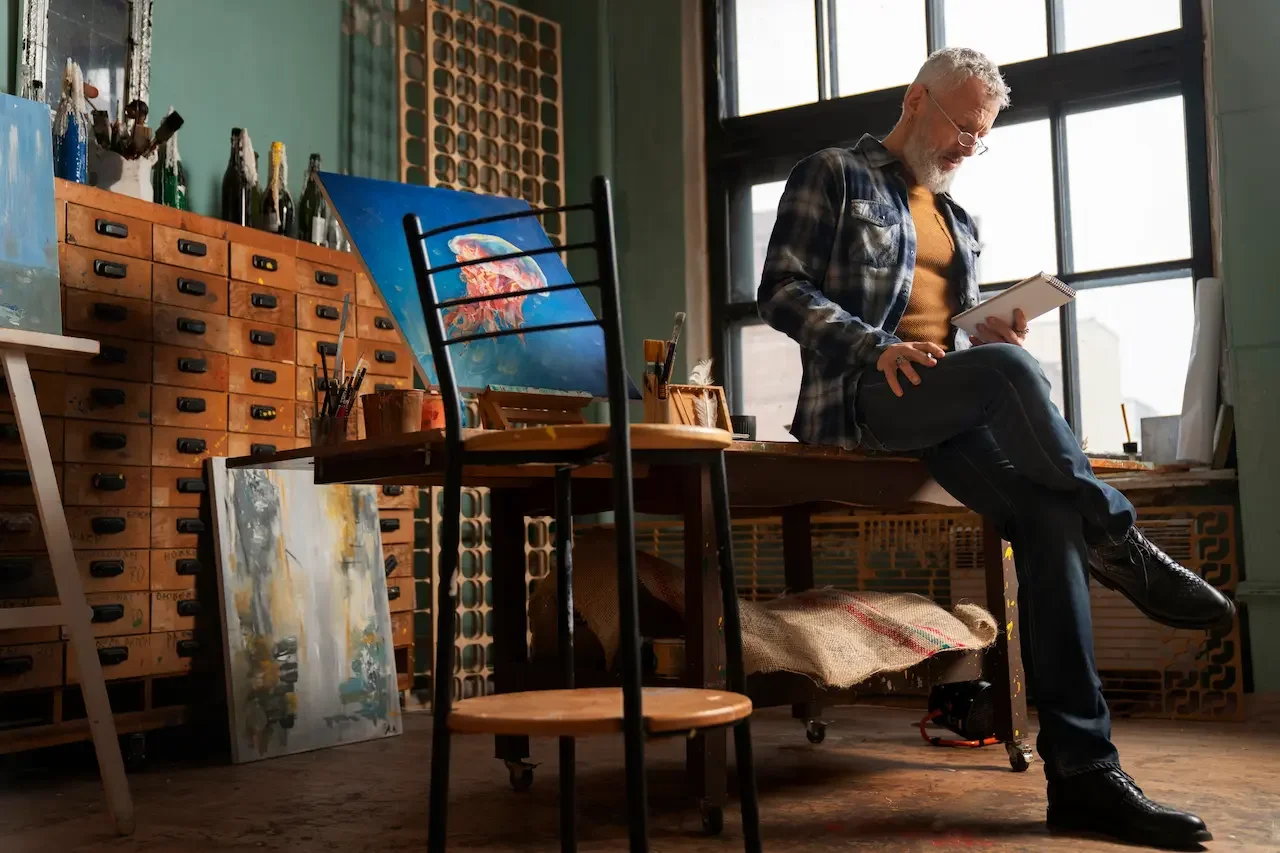
Our approach focuses on hands on learning rather than theory. This allows participants to experience real restoration techniques while receiving expert guidance throughout the session.
When attending a vintage furniture restoration workshop at Mid Century Restoration in Melbourne, preparation allows participants to fully benefit from the available tools, instruction, and learning environment.
Choosing the Right Furniture Piece to Bring
The most important item you should bring to a workshop is the furniture piece you want to restore. Selecting the right item makes the learning process smoother and allows you to practice important restoration techniques during the session.
In our experience, smaller furniture items work best because they allow participants to focus on learning restoration techniques without dealing with complicated structural repairs.
Furniture pieces that are ideal for workshops include
• Side tables
• Dining chairs
• Bedside tables
• Small cabinets
• Coffee tables
These items are practical because they allow participants to practice sanding, repairing joints, and applying finishes within the workshop timeframe.
Large furniture pieces such as wardrobes or heavy sideboards can slow down the learning process. Bringing a manageable item ensures that you can complete meaningful restoration steps during the session.
Essential Tools to Bring
Most workshops provide shared tools, but bringing a few personal tools can make your work more comfortable and efficient.
Using familiar tools allows participants to work with greater control and confidence. It also helps you continue practicing restoration skills later at home using the same tools.
Basic tools that are useful during restoration training include
• Sanding blocks or sanding pads
• A small hand scraper
• Soft cloths for surface cleaning
• Protective gloves
• A dust mask for sanding work
• A small measuring tape
These tools support common tasks such as surface preparation, cleaning timber, and inspecting furniture components. Even simple tools can make the restoration process easier and more organized during the workshop.
Protective Clothing and Safety Gear
Furniture restoration involves sanding wood, removing finishes, and applying oils or treatments. Wearing appropriate clothing helps ensure safety and comfort during the workshop.
We always recommend practical clothing that allows easy movement and protects you from dust and wood particles.
Recommended clothing for restoration workshops includes
• Durable work clothes
• Closed toe shoes
• A protective apron or workshop jacket
• Safety glasses
• A dust mask or respirator
At Mid Century Restoration in Melbourne, we often see that participants who bring proper safety gear feel more comfortable working throughout the session. Safety preparation allows you to focus fully on learning restoration techniques.
Restoration Materials and Supplies
Some workshops provide restoration materials, while others encourage participants to bring their own supplies. Bringing a few materials can help you practice with products you may later use in your own restoration projects.
A vintage furniture restoration workshop is designed to help participants understand how finishes, oils, and treatments interact with timber surfaces.

Useful restoration supplies may include
• Wood cleaning solution
• Furniture restoration oil
• Fine grade sandpaper
• Wood filler for small repairs
• Soft brushes for applying finishes
Working with your own materials helps you become familiar with restoration products and their effects on different timber surfaces. This practical experience helps participants feel more confident when continuing restoration work at home.
Bringing a Notebook for Learning
One simple item that many participants forget is a notebook. We strongly encourage attendees to take notes during the workshop.
Furniture restoration includes many small but important details such as sanding direction, finishing techniques, and repair methods. Recording these steps helps you remember them later when working on other projects.
Useful things to record during the workshop include
• Surface preparation techniques
• Sanding sequences and methods
• Timber finishing approaches
• Repair techniques for joints and veneers
• Product recommendations from the instructor
These notes become a valuable reference when you begin restoring furniture independently.
Preparing Your Furniture Before the Workshop
A little preparation before attending the workshop helps maximize the time spent learning restoration techniques.
Before bringing your furniture piece, we recommend inspecting it carefully and completing a few basic preparation steps.
Helpful preparation steps include
• Removing loose hardware such as handles or knobs
• Cleaning heavy dirt or dust from the surface
• Checking for loose joints or damaged parts
• Transporting the furniture safely to the workshop
When furniture arrives in a prepared condition, the workshop can focus immediately on restoration techniques rather than basic cleaning or disassembly.
Arriving With the Right Learning Mindset
While tools and materials are important, the most valuable thing you can bring to a vintage furniture restoration workshop is the right mindset.
Many participants begin with limited restoration experience. However, once they start working through the restoration process step by step, their confidence improves quickly.
A workshop is not about achieving perfect results immediately. The goal is to understand the techniques used to restore and preserve vintage furniture.
Participants who remain curious, ask questions, and focus on learning the process usually gain the most value from the experience.
Patience and attention to detail allow you to develop restoration skills that continue to improve long after the workshop ends.
Conclusion
Preparing properly before attending a vintage furniture restoration workshop allows you to focus on learning practical restoration skills instead of worrying about missing tools or materials. Bringing the right furniture piece, basic tools, safety gear, and a few useful supplies helps create a more productive learning experience.
At Mid Century Restoration in Melbourne, we focus on providing hands on restoration training that helps participants understand professional restoration techniques. With the right preparation and a willingness to learn, a workshop becomes an excellent opportunity to develop the skills needed to restore vintage furniture with confidence.
Why Choose Us
At Mid Century Restoration in Melbourne, we focus on teaching practical restoration techniques that participants can confidently apply after the workshop.
• Experienced guidance based on real furniture restoration projects
• Hands on training that focuses on practical learning
• Professional tools and restoration knowledge shared during sessions
• Small group workshops that allow personal guidance
• A trusted learning environment dedicated to preserving vintage furniture craftsmanship
FAQs
What type of furniture should I bring to a restoration workshop
Small furniture items such as chairs, bedside tables, or side tables are ideal because they allow you to practice sanding, repairing joints, and refinishing surfaces within the workshop timeframe.
Do I need professional tools to attend a vintage furniture restoration workshop
No. Most workshops provide essential tools, but bringing personal items such as gloves, sanding blocks, and cloths can make the restoration process more comfortable.
Is a vintage furniture restoration workshop suitable for beginners
Yes. Many workshops are designed for beginners who want to learn the fundamentals of restoring vintage furniture through guided hands on practice.
Will I finish restoring my furniture during the workshop
Participants usually complete several restoration steps during the workshop. However, some projects may require additional finishing work after the session.
Can I continue restoring furniture at home after the workshop
Yes. One of the main goals of a workshop is to teach techniques that allow participants to confidently continue restoring furniture on their own.