
You can restore some indoor teak furniture without sanding, stripping or removing the original finish. If the existing coating is still in reasonable condition, careful cleaning or limited surface treatment may be enough to improve its appearance. The important part is identifying the finish before applying any product.
An old teak sideboard can look tired even when most of its original finish is still worth keeping. The surface may appear dull, the colour uneven, or the timber hidden beneath years of polish and everyday marks. It's tempting to reach for teak oil or sandpaper, but that isn't always what the furniture needs.
At Mid Century Modern Restoration Man, we work with original teak and vintage timber furniture from our Fitzroy workshop in Melbourne. Our approach is to understand what's happening to the surface before removing or adding anything. If you're wondering how to restore teak furniture without damaging its character, the first thing to know is that restoration doesn't always mean refinishing.
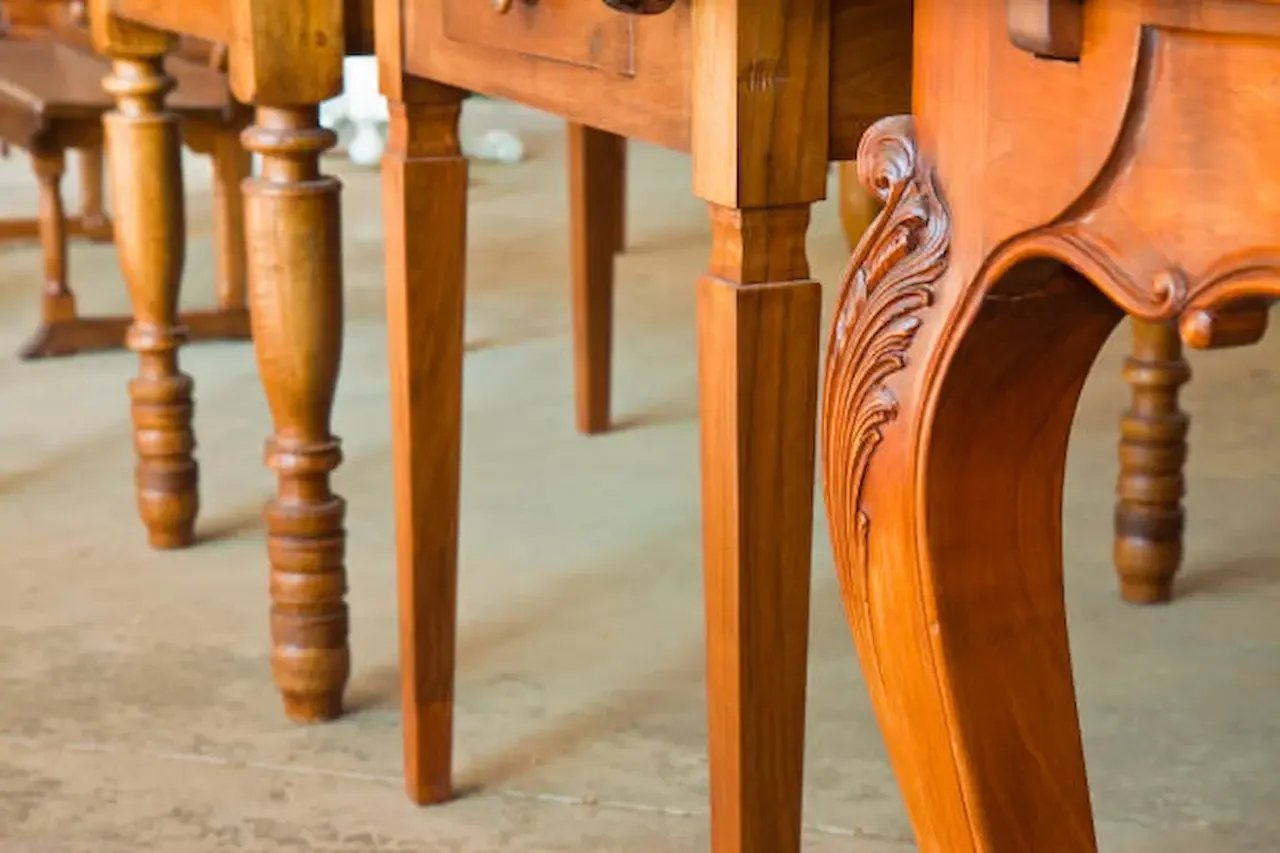
Can You Restore Teak Furniture Without Sanding?
Yes. Some indoor teak furniture can be improved with careful cleaning or limited surface treatment, without sanding away the existing finish.
A faded appearance doesn't automatically mean the timber needs to be stripped. Old polish, surface dirt, worn coatings and previous treatments can all affect how a piece looks.
We start by examining the furniture itself. A teak dining table with an intact finish needs a different approach from a cabinet with peeling veneer or a damaged coating.
Sanding too soon can remove original material that didn't need to come off.
Check the Original Finish Before Using Any Product
Before restoring teak furniture, it's important to establish whether the surface has an oil finish, wax, lacquer, varnish or another coating.
This matters because the treatment needs to suit the finish already on the piece.
Adding oil to a sealed surface doesn't necessarily improve the wood underneath. It may leave residue or cause uneven colour. Equally, a worn coating shouldn't automatically be removed when a smaller repair could preserve more of the original surface.
At our workshop, we examine the timber, existing coating, veneer and previous repairs before recommending a treatment.
How to Clean Indoor Teak Furniture Safely
If you're starting with a dusty or dull piece, gentle cleaning is the sensible first step.
Use a soft cloth to remove loose dust. For additional cleaning, use a suitable mild wood cleaning method, keeping moisture controlled and avoiding prolonged contact with water. Always test any unfamiliar treatment on a discreet area first.
We assess tables, cabinets and sideboards where surface residue contributes to the appearance of wear. Cleaning can sometimes reveal that much of the original finish is still intact.
Avoid harsh chemical cleaners and aggressive scrubbing when you don't know what coating you're dealing with.
For more detailed advice, read our guide to cleaning indoor teak furniture.
Should You Use Teak Oil to Restore Faded Furniture?
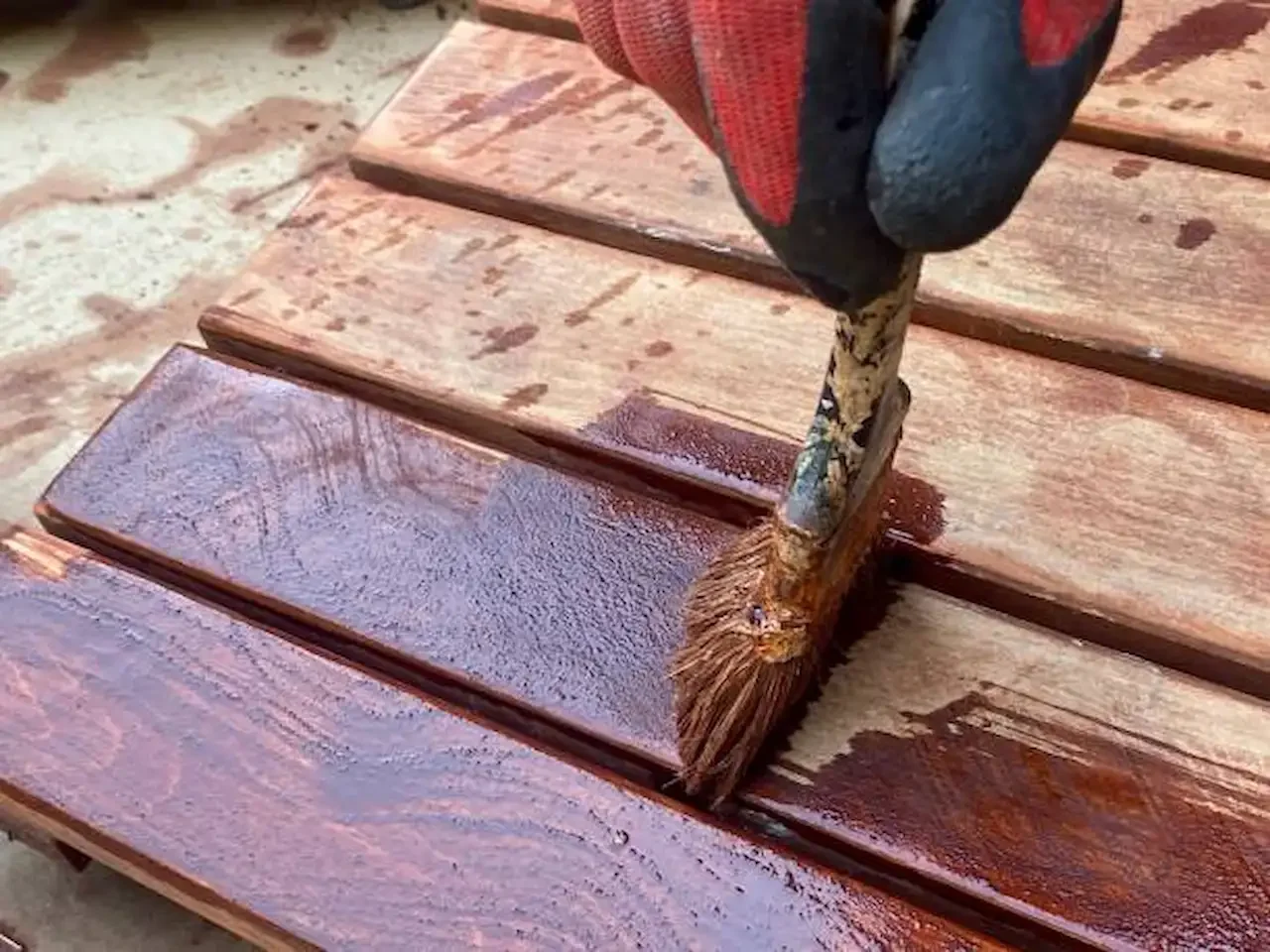
Not every teak surface needs teak oil.
The appropriate treatment depends on the existing finish, previous products and the condition of the timber. An oil treatment may suit certain surfaces, but it shouldn't be treated as a universal solution for older indoor furniture.
If the original coating is still intact, we may recommend retaining it rather than applying something new. When a finish has failed, we'll assess whether local repair or more extensive refinishing makes sense.
The aim is to improve the furniture without unnecessarily changing its appearance.
Why Teak Veneer Needs Extra Care
Many original mid century tables, cabinets and sideboards combine solid timber with teak veneer.
Veneer is a thin layer of timber bonded to a supporting material. It allows furniture makers to use attractive grain patterns across broad surfaces, but it also limits how much material can safely be removed.
Think about the edge of a teak sideboard door. If the veneer is already lifting or chipped, sanding the surrounding surface won't address the failed bond underneath.
Aggressive sanding can cut through the teak layer and expose the supporting material. That's why we inspect veneer condition before deciding whether surface preparation is appropriate.
If your furniture has lifting edges, bubbles or missing sections, our teak veneer repair guide explains when original material may be saved.
What About Scratches, Water Marks and a Faded Teak Table?
Table tops are particularly prone to visible wear. Everyday use can leave scratches, water rings, heat marks and uneven surface colour.
Some marks affect only the coating. Others extend into the timber or involve damaged veneer.
We examine the depth of the damage before recommending restoration. A light surface mark may need relatively little attention, while a deep scratch or failed finish can require more involved work.
White rings, dark stains and peeling veneer shouldn't all receive the same treatment.
If you've noticed a ring or heat mark on your dining table, our guide to water rings and heat marks explains why identifying the damage matters.
When Does Teak Furniture Need Professional Refinishing?
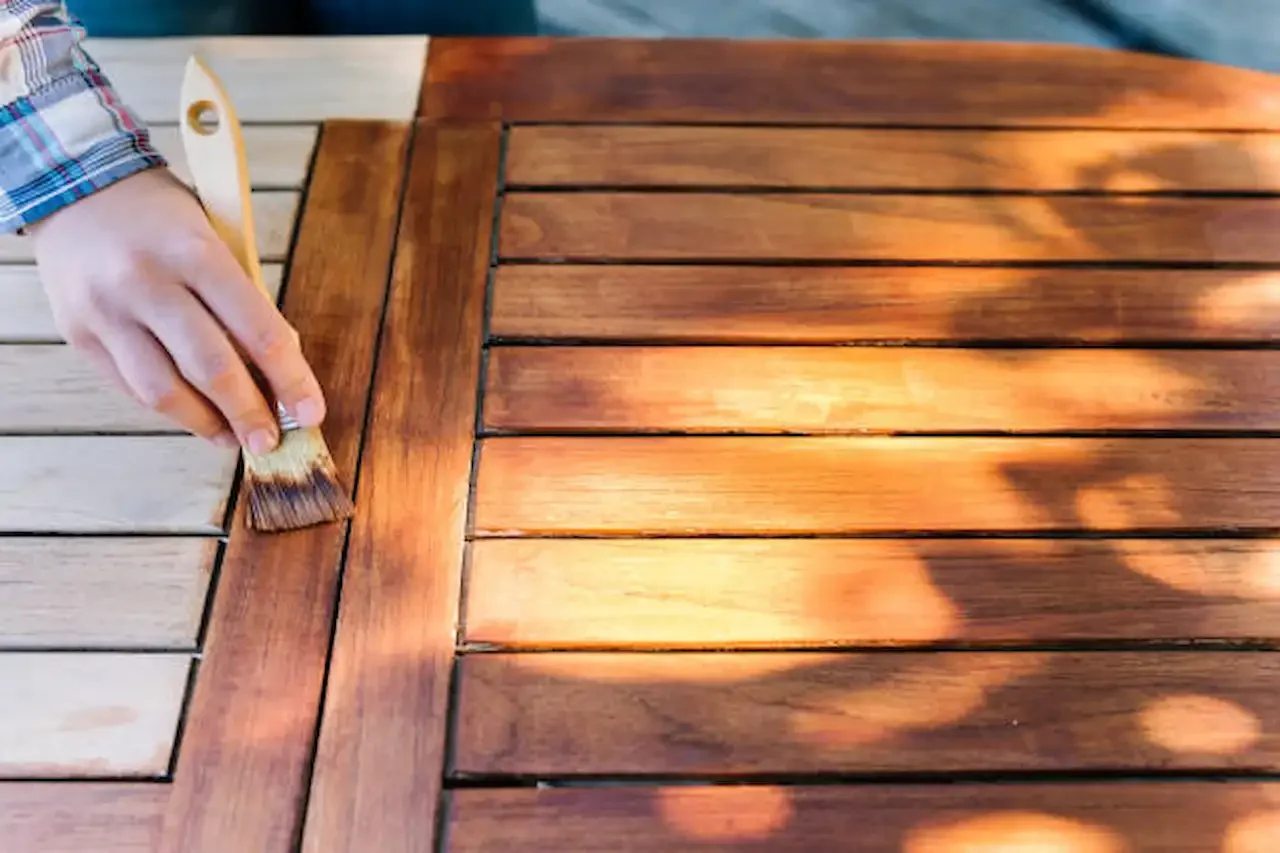
There are occasions when cleaning alone isn't enough.
A damaged coating, deep scratches, substantial discolouration or an earlier unsuccessful restoration can make more extensive treatment appropriate.
At our Fitzroy workshop, we restore teak dining tables, coffee tables, sideboards, cabinets, chairs and other vintage timber furniture. We assess the condition of each piece before deciding whether to retain the finish, carry out a local repair or recommend refinishing.
Restoration project photograph: Insert an authentic photograph from a completed teak furniture restoration here, preferably showing a preserved original finish. Use a real project image rather than a generic photograph of wood staining.
You can learn more about our teak and timber furniture refinishing in Melbourne.
We would rather preserve a sound original surface than remove it simply to make an older piece look new.
How We Help You Decide What Your Furniture Needs
You don't need to know which finish is on your furniture before contacting us.
If you've got a faded teak cabinet, a marked dining table or a piece with damaged veneer, send us a few clear photographs and a short description of your concerns.
Richard personally reviews restoration enquiries and can usually provide an initial indication of what may be involved.
That first conversation helps determine whether the furniture needs cleaning, repair, refinishing or a closer assessment.
Not Sure Whether Your Teak Furniture Needs Cleaning or Restoration?
The character of an older teak piece comes from more than its colour. The grain, construction, existing finish and signs of careful use all contribute to its appearance.
When we're restoring furniture, we want to keep the parts that still work and address the problems that don't.
If you're unsure how to restore teak furniture without removing its original finish, we'd be happy to take a look.
Contact Richard about your teak furniture restoration. Tell us what you're concerned about and share photographs through the available email contact method, so we can help you understand the next step.
Frequently Asked Questions
Can I restore indoor teak furniture without sanding?
Yes. When the existing finish is reasonably sound, gentle cleaning or limited surface work may improve its appearance. Sanding is not automatically necessary.
Should I apply teak oil to old indoor furniture?
Only when the treatment is appropriate for the existing finish. Oil should not be applied automatically to sealed, lacquered or otherwise coated surfaces.
Can scratched teak veneer be restored?
Some scratches and veneer damage can be improved or repaired. The appropriate method depends on the depth of the damage, the remaining veneer and the condition of the underlying material.
How can I get professional advice about my teak furniture in Melbourne?
You can contact Richard through the website enquiry page. Explain the condition of your furniture and provide photographs through the appropriate contact method to help with an initial assessment.