
How to Learn Furniture Restoration
You learn furniture restoration the same way I did: on cheap pieces, with a small set of tools, making mistakes that don't matter. Start with cleaning and surface work. Move to loose joints. Leave veneer and valuable pieces until you've ruined a few op-shop chairs first.
That's the honest version. I've taught beginners in my Fitzroy workshop for years, and the ones who progress fastest aren't the ones with the best gear. They're the ones who learned to look at a piece properly before touching it.
Most people who come to me have already tried something at home and stopped halfway. That's usually the point where guidance is worth paying for — not before you start, but when you've hit the thing you can't see a way past.
Vintage furniture is often made with high quality timber and craftsmanship that is difficult to find today. Instead of throwing these pieces away or paying high prices for professional services, many people want to learn to restore vintage furniture on their own. This is where hands on furniture restoration courses become very valuable. They teach practical techniques that can be used at home and help people avoid costly mistakes.
What You Need to Start
Almost nothing. The list below covers your first three or four projects and costs less than a single professional repair.
Clean cotton rags and a soft brush
A basic screwdriver set, including a stubby for tight cabinet backs
Sandpaper in 240, 320 and 400 grit
PVA wood glue and two or three clamps
A ventilated space you don't mind marking
Everything beyond that can wait. I bought most of my specialist tools years after I needed them, and every one of them was bought because a specific job demanded it. Buying ahead of the work is the most common way beginners waste money.
Why People Want to Restore Their Own Furniture
Many furniture owners feel emotionally connected to their old pieces. A dining table from grandparents or a mid century chair found at a local market often holds memories. Instead of replacing them with modern mass produced items, people prefer to repair and reuse what they already have. Restoring vintage furniture is also an environmentally friendly choice because it reduces waste and promotes reuse.
Another reason is cost. Professional restoration can sometimes be expensive, especially for larger items. Learning the process yourself through a DIY furniture restoration training program can be a budget friendly restoration workshop option. With the right knowledge, tools, and patience, almost anyone can improve the look of their old furniture.
What Are Furniture Restoration Workshops?
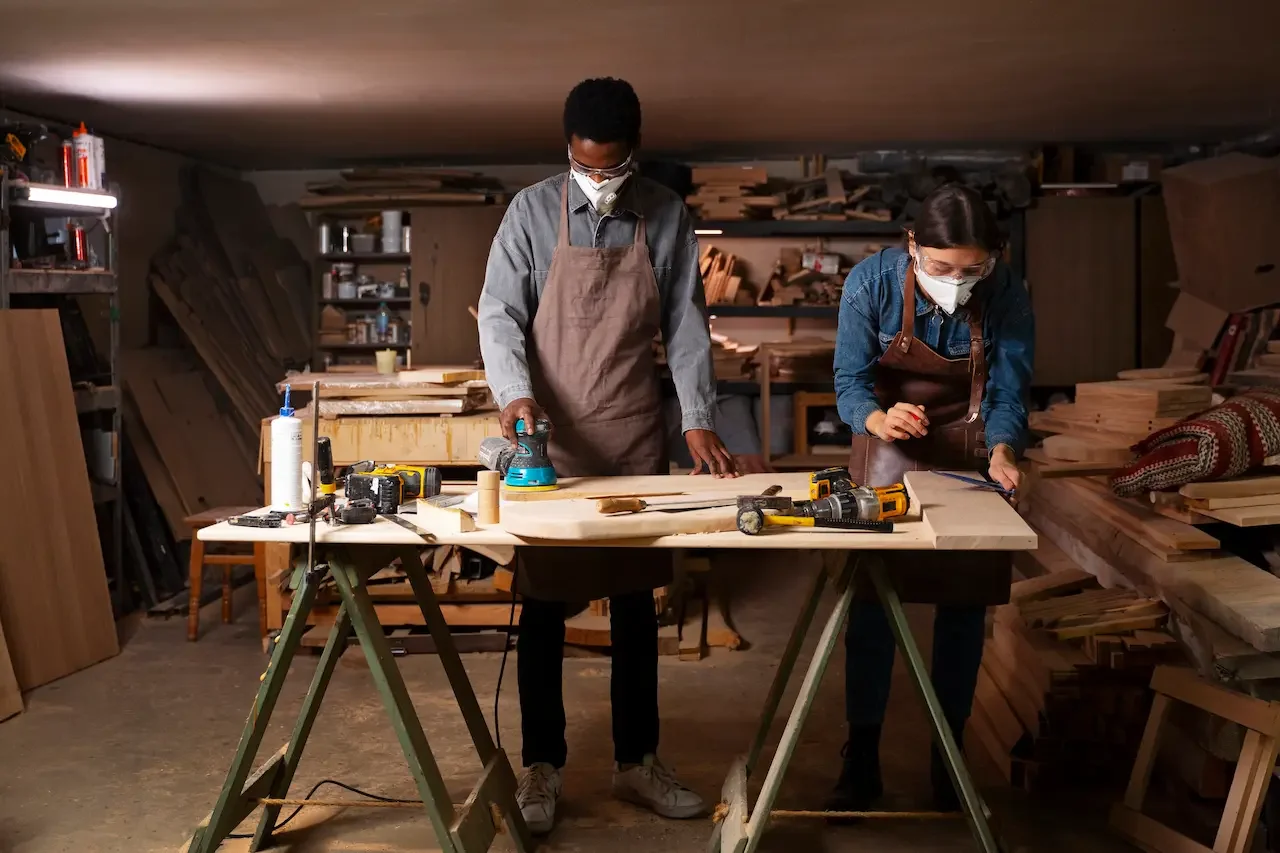
Furniture restoration workshops are structured learning sessions where beginners and hobbyists learn how to repair, refinish, and care for old furniture through practical, hands-on training. I run mine out of the workshop, on real furniture, with the tools I use every day. You work on pieces, not offcuts, and you see what a job looks like halfway through rather than only at the end.
In these workshops, participants work on real pieces of furniture rather than just watching demonstrations. This practical approach makes it easier to understand the full furniture restoration process. Instead of guessing what to do at home, you receive direct guidance and expert furniture restoration training.
Skills You Can Learn in a Workshop
A good beginner course covers four things, in this order: how to assess a piece, how to repair its structure, how to prepare a surface, and how to finish it. Skip the assessment and you spend the rest of the project correcting the first decision. These skills help beginners understand how to treat different materials and surfaces properly. Some of the most important lessons include:
• how to sand and prepare surfaces correctly
• how to remove old finishes safely
• how to repair damaged joints and frames
• how to choose the right oils, stains, and finishes
• how to polish and protect timber surfaces
Learning these steps in a controlled environment builds confidence. Many people arrive at a workshop not knowing where to begin, and leave with a clear plan for restoring their own vintage furniture at home.
Can a Beginner Really Benefit From a Workshop?
One of the most common long tail keywords people search is can a beginner restore antique furniture. The answer is absolutely yes when proper guidance is available. Most furniture restoration workshops are designed specifically for beginners. You do not need previous experience or advanced tools to join.
Beginner-friendly training makes furniture restoration courses for beginners easier to follow, especially when each repair, sanding, and refinishing step is demonstrated in person.
Experienced instructors understand that new learners may feel nervous. They break down each stage into simple steps and explain furniture repair tools in an easy to understand way. This makes the learning process comfortable and enjoyable rather than confusing.
How Workshops Help You Avoid Common Mistakes
Trying to restore furniture without proper knowledge can lead to expensive errors. Many beginners accidentally sand too deeply, use the wrong chemicals, or apply finishes incorrectly. These mistakes can permanently damage a valuable piece.
Workshops teach the correct furniture restoration techniques from the start. You learn which products are safe to use and how to handle delicate surfaces. This guidance prevents problems and saves time and money in the long run. People often realize that attending a workshop is far cheaper than fixing a failed home project.
What Types of Furniture Can Be Restored?
Another question people ask is what is taught in furniture restoration workshops. The answer depends on the program, but most classes cover a wide range of items such as:
• dining tables and chairs
• coffee tables
• sideboards and cabinets
• vintage desks
• wooden bed frames
Whether you own a small bedside table or a large mid century furniture piece, a restoration course can teach you how to handle it properly. The same basic principles apply to many different kinds of timber furniture restoration projects.
Learning to Restore Mid Century Furniture
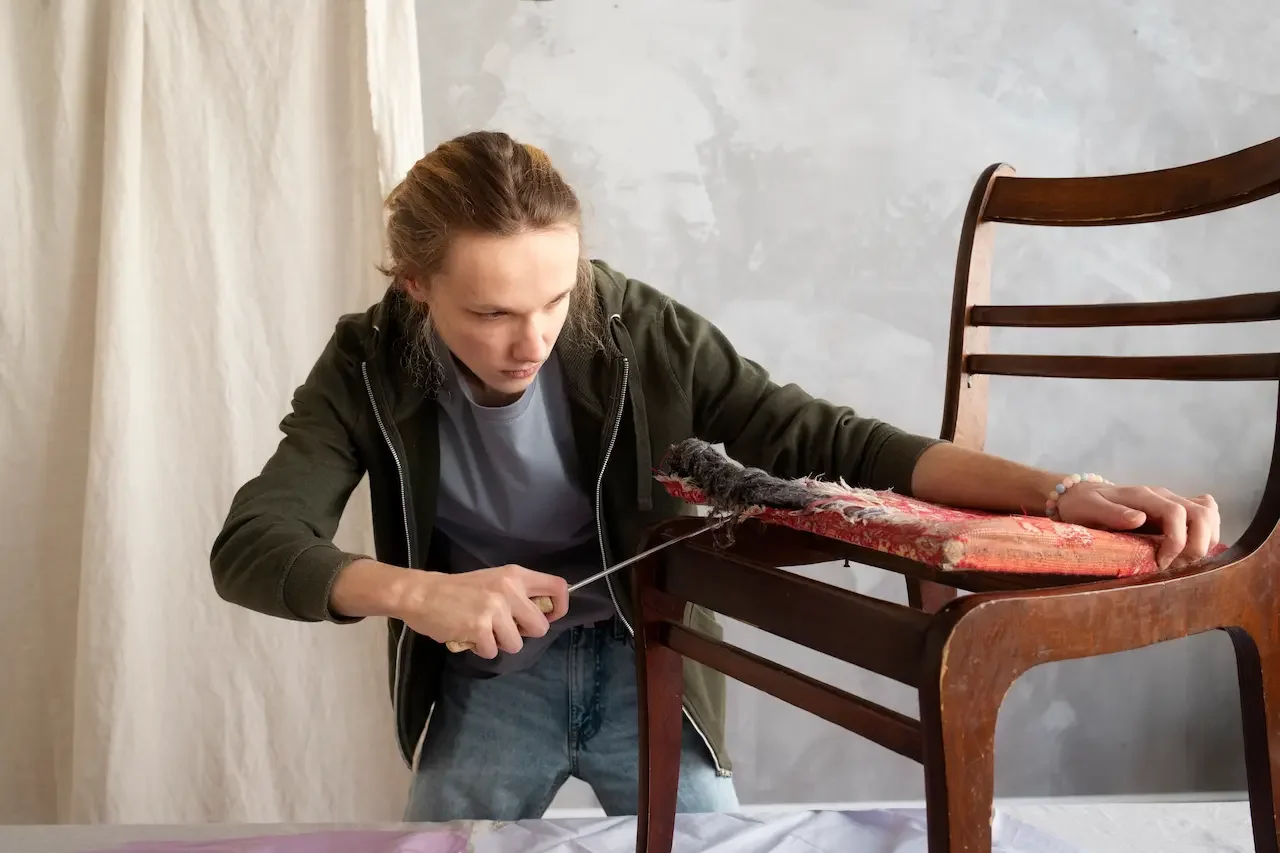
Mid century furniture is extremely popular today because of its timeless design and solid construction. Many owners search for mid century furniture restoration workshop opportunities to learn how to care for these special pieces. Workshops often focus on period appropriate techniques so that the original character of the furniture is preserved.
Participants learn how to treat teak, walnut, and other classic materials commonly used in this era. Instead of covering the wood with modern paints, they are taught vintage furniture refinishing methods that highlight natural beauty.
Are Furniture Restoration Workshops Worth It?
A very common search query is are furniture restoration workshops worth it. For most people, the answer is yes. The value of these workshops goes far beyond the cost of attendance. You gain lifelong skills that can be used on many different projects in the future.
After completing a workshop, many participants feel confident enough to restore multiple pieces at home. Some even turn their new skills into a small business or hobby. The knowledge gained becomes a long term investment rather than a one time experience.
How to Choose the Best Workshop
Not all workshops are the same. When searching for best furniture restoration workshops, it is important to consider a few factors. Look for classes that offer small group sizes, hands on practice, and experienced instructors. Reading reviews and testimonials can also help you find top rated furniture restoration classes in your area.
If you live in Melbourne, searching for learn furniture restoration in Melbourne will help you find local options that are convenient. Choosing a nearby workshop allows you to attend sessions regularly and even bring your own furniture to work on.
What Tools and Materials Are Needed?
Many beginners worry that they need expensive equipment before joining a workshop. In most cases, this is not true. Workshops usually provide the essential furniture repair tools and materials needed for learning. This allows students to focus on skills rather than shopping for supplies.
During the course, instructors explain which tools are truly necessary for home projects and which ones are optional. This helps participants make smart decisions later when setting up their own small restoration space at home.
The Step by Step Learning Process
A good course follows a clear step by step furniture restoration training structure. Students normally begin with simple tasks such as cleaning and light sanding. As confidence grows, they move on to more advanced techniques like repairing joints and applying finishes.
This gradual learning process makes it easier to understand how each stage fits together. By the end of the workshop, participants have a full picture of how to bring old furniture back to life from start to finish.
Restoring Furniture at Home After a Workshop
Many people ask how to restore vintage furniture at home after attending a class. The answer is that workshops give you a strong foundation to continue working independently. With the notes, skills, and confidence gained, you can tackle new projects on your own.
Most participants leave with a clear understanding of:
• how to plan a restoration project
• how to choose the right products
• how to work safely
• how to achieve professional looking results
This makes future home projects far less intimidating.
Budget Friendly Learning Options
For people worried about cost, there are many affordable furniture restoration course choices available. Some workshops offer short weekend sessions, while others provide longer detailed programs. Searching for budget friendly restoration workshops can help you find options that fit your schedule and finances.
Compared to the price of replacing furniture or hiring professionals, learning to do the work yourself is often the most economical solution.
When Professional Help Is Still Needed
Although workshops teach many valuable skills, there are times when expert help to restore vintage furniture may still be required. Extremely delicate antiques or heavily damaged pieces sometimes need professional attention. A workshop instructor can advise you on whether a project is suitable for home restoration or better handled by a specialist.
Even in these situations, the knowledge gained from a course helps you communicate better with professionals and understand the work involved.
How to Find a Workshop Near You
Many people begin by searching furniture restoration workshop near me or restore vintage furniture course online. If you are comparing furniture restoration classes near me, choose a workshop that offers small group learning, real furniture practice, and clear guidance from experienced restorers. Local community centers, specialist restoration businesses, and craft schools often run regular programs. Checking social media pages and local directories can also lead you to the best way to learn furniture restoration in your area.
Before enrolling, it is helpful to contact the organizer and ask what level of experience is required and what you should bring with you.
The Confidence That Comes From Learning
One of the biggest benefits of attending a workshop is the confidence it builds. Beginners who once felt unsure about touching their old furniture suddenly feel empowered. They understand how to fix vintage furniture damage and how to care for items properly in the future.
This confidence often encourages people to rescue more pieces from second hand shops or family homes instead of letting them go to waste.
Turning a Hobby Into a Passion
For many participants, a simple class turns into a long term interest. What begins as a desire to repair one table can grow into a love for vintage furniture restoration. Some people continue taking advanced courses and eventually become professional furniture restorers themselves.
Learning in a supportive workshop environment opens the door to new creative possibilities and personal satisfaction.
Conclusion
Restoring old furniture is a rewarding experience that allows you to save meaningful pieces and bring them back into daily use. Many people wonder if they have the ability to repair and refinish their own items. Restoration workshops for vintage furniture provide the perfect answer to this concern. They offer clear guidance, practical skills, and hands on learning that help beginners understand the full process in a simple and structured way.
Through proper training, you learn how to handle timber carefully, repair damage correctly, and apply finishes that protect and enhance the natural beauty of the wood. Instead of feeling unsure and making costly mistakes at home, a workshop gives you confidence and professional direction. Whether you own one small table or several family heirlooms, the knowledge gained from a workshop stays with you for life.
If you have ever looked at an old piece of furniture and wished you knew how to restore it, attending a workshop is one of the best steps you can take. With patience and the right instruction, almost anyone can learn to bring vintage furniture back to life and enjoy the satisfaction of doing the work themselves.
Why Choose Us
At Mid Century Restoration, we focus on teaching real and practical furniture restoration skills in a friendly and supportive environment. Our furniture restoration workshop in Melbourne is designed especially for beginners who want to learn in a simple, hands-on, and stress-free way.We believe that anyone with an interest in vintage furniture should have the opportunity to understand how to care for it properly.
Our training is completely hands on. Instead of only listening to theory, you work directly on furniture and practice each step under expert supervision. This approach helps you gain confidence quickly and ensures that you learn the correct techniques from the start. We use traditional methods that respect the original character of mid century and vintage pieces.
Small class sizes allow us to give personal attention to every participant. You can ask questions, receive detailed advice, and progress at your own pace. Whether you want to restore a single family item or develop a long term hobby, our workshops provide the guidance and support you need to succeed.
Learning in the Right Order
Six months of the wrong practice teaches you very little. This is the sequence I'd give anyone starting now.
Cleaning. Learn what comes off with a damp cloth and what doesn't. You'll be surprised how often that's the whole job.
Surface care. Oiling, waxing, buffing. Low risk, immediate results, and it teaches you how timber responds.
Loose joints. Chairs first — they fail predictably and they're cheap to find.
Scratches and marks. Colour matching is harder than it looks and worth practising on scrap.
Refinishing a full panel. The first genuinely difficult step.
Veneer. Last. Always last.
Move down the list when the step above stops feeling risky, not when you get bored of it.
I didn't start on furniture. In 1993 I finished a four-year apprenticeship in motor vehicle painting in Box Hill, working on vintage Italian sports cars headed for national restoration shows, where a shortcut is visible from across the room. After that I was at Maton Guitars, spraying nitrocellulose on acoustic instruments — too much material and you kill the tone, too little and the finish fails.
Neither job was furniture. Both taught the same lesson: the skill is knowing how little to apply.
Where to Learn in Melbourne
I run small-group restoration workshops from the workshop behind Wilkins & Kent at 230 Brunswick Street, Fitzroy. Groups are kept small deliberately, because the useful part of a workshop is the questions, and you can't ask them from the back of a room of thirty.
No experience is needed. Most people who come have never used a card scraper and have no intention of doing this for a living. They own one piece they care about and want to stop being afraid of it.
Browse upcoming workshop dates or get in touch if you'd like to know what a session covers before booking.
Frequently Asked Questions
Do I need any experience to join a furniture restoration workshop?
No experience is needed at all. Our workshops are created for complete beginners. Everything is explained step by step so that even someone with no background in restoration can follow easily.
Can I bring my own furniture to work on?
Yes. Participants are welcome to bring a small piece of vintage furniture to practice on. Working on your own item helps you apply what you learn directly to a real project.
How long does it take to learn furniture restoration?
Basic skills can be learned in a short workshop, but confidence grows with practice. Most people leave a single course with enough knowledge to start simple projects at home.
What types of furniture can be restored in a workshop?
You can learn to restore many kinds of wooden furniture such as tables, chairs, cabinets, desks, and sideboards. The techniques taught are useful for a wide range of vintage and mid century pieces.
Are tools and materials provided during the workshop?
Yes. All necessary tools and materials are provided so that beginners can focus on learning without needing to purchase equipment first.
Is it cheaper to restore furniture myself instead of hiring a professional?
In many cases, yes. Learning through a workshop is a budget friendly option that allows you to complete multiple projects on your own instead of paying for professional services each time.
Will I be able to restore furniture at home after the workshop?
Absolutely. The goal of the workshop is to give you practical skills and confidence so you can continue restoring furniture independently at home.
How do I know if a piece of furniture is worth restoring?
Instructors can help you evaluate your item and decide whether it is suitable for restoration. Many older pieces made from solid timber are excellent candidates for repair and refinishing.