
Why Structural Restoration Is Essential for Mid-Century Furniture
Mid-century furniture was built to last, but decades of daily use naturally place stress on its structure. While scratches, faded finishes, and minor surface wear are often easy to notice, the real condition of a piece is usually determined by what lies beneath the surface. Loose joints, weakened frames, ageing adhesives, and movement within the timber can all affect the furniture's stability long before visible damage appears.
At Mid Century Restoration in Melbourne, I regularly assess furniture that looks worn but is still structurally recoverable. Many owners assume a chair that wobbles or a cabinet with slight movement simply needs tightening. In reality, these signs often indicate deeper structural issues that require careful restoration rather than a quick repair.
Structural restoration is about preserving the craftsmanship that made mid-century furniture valuable in the first place. Instead of replacing quality timber or disguising problems beneath a new finish, the goal is to restore strength, stability, and longevity while maintaining the furniture's original character.
Why Structural Integrity Matters More Than Surface Appearance
One of the biggest misconceptions about furniture restoration is that appearance should be addressed first. A fresh finish may improve how a piece looks, but it does nothing to correct weakened construction. If structural problems remain unresolved, cosmetic improvements often deteriorate quickly because the furniture continues to move under everyday use.
Every time a chair rocks slightly, a table flexes, or a cabinet frame shifts, additional stress is placed on the joints and surrounding timber. Over time, this movement can create larger gaps, weaken original joinery, and increase the likelihood of timber splitting or adhesive failure.
Structural restoration focuses on correcting these underlying problems before cosmetic work begins. By stabilising the furniture first, every stage that follows delivers longer-lasting results while protecting the original materials from further damage.
This preservation-first approach allows the furniture to continue performing as it was originally designed without compromising its authenticity.
Common Signs Your Mid-Century Furniture Needs Structural Restoration
Structural problems rarely appear overnight. Most develop gradually through years of everyday use, changing environmental conditions, and natural ageing of timber and adhesives.
Many homeowners first notice small movements that seem insignificant, but these early warning signs often indicate that restoration should not be delayed.
Common indicators include:
Chairs that wobble or creak during normal use.
Tables or cabinets that rock despite sitting on level flooring.
Visible gaps forming around joints, frames, or timber connections.
These symptoms do not necessarily mean the furniture is beyond repair. In fact, identifying them early usually allows restoration to preserve far more of the original construction than waiting until major damage develops.
Why Original Joinery Should Be Preserved Whenever Possible
One of the defining characteristics of quality mid-century furniture is its craftsmanship. Many original pieces were constructed using carefully designed timber joints that distributed weight naturally while allowing the furniture to remain strong for decades.
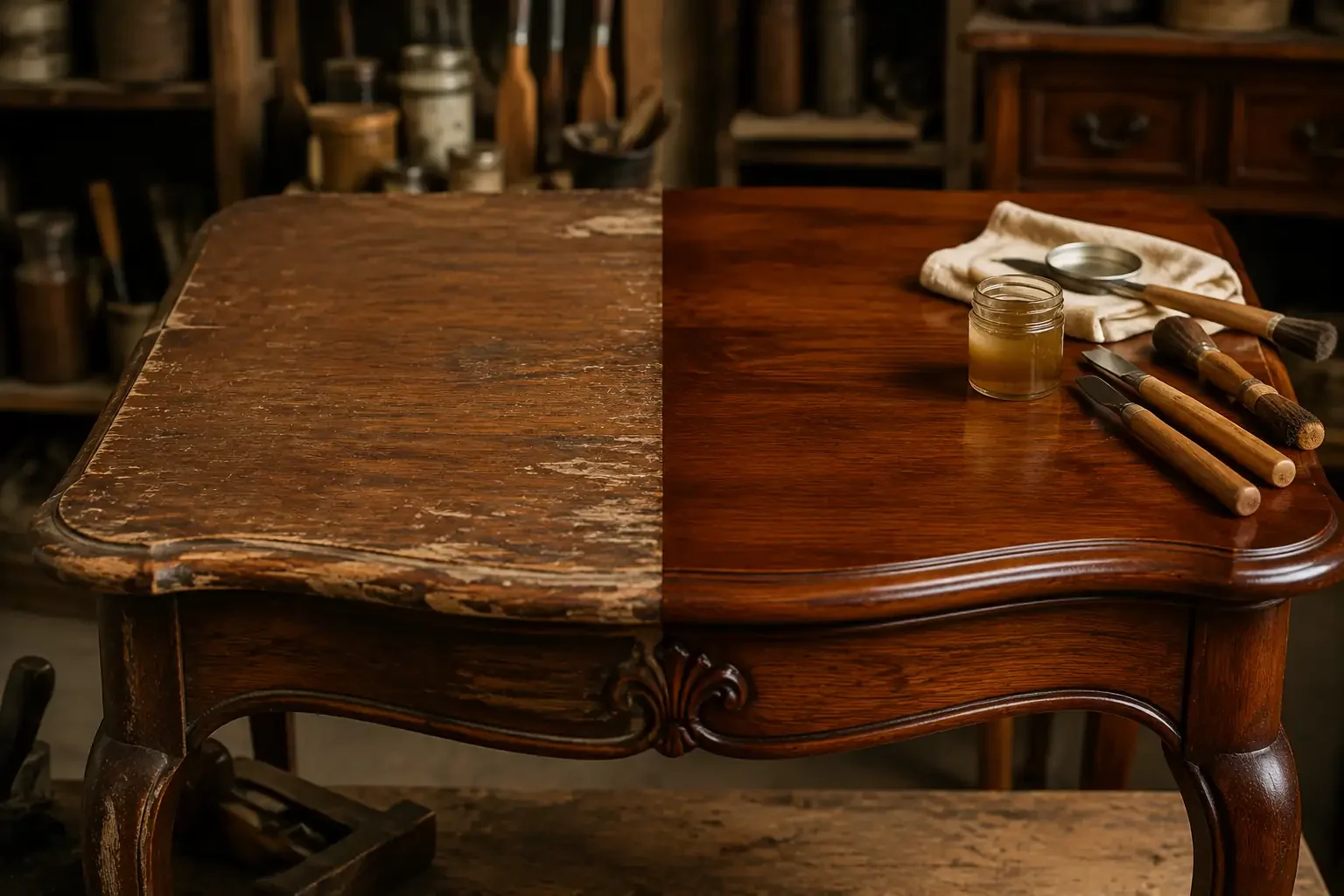
Unfortunately, ageing adhesives, moisture changes, and constant movement eventually weaken these connections. Modern repairs often involve adding screws, brackets, or excessive glue without addressing why the joint failed in the first place. These temporary solutions may reduce movement initially but frequently create additional stress elsewhere in the furniture.
In my workshop, preserving original joinery is always the preferred approach. Carefully dismantling, cleaning, repairing, and rebuilding original joints maintains the integrity of the furniture while respecting the methods originally used by its maker.
Restoration should strengthen the existing craftsmanship rather than replace it with modern shortcuts that permanently alter the furniture's construction.
Structural Restoration Extends the Life of Mid-Century Furniture
Quality mid-century furniture was never intended to be disposable. Many pieces have already served families for several decades and, with proper restoration, can continue doing so for generations to come.
Structural restoration addresses the causes of deterioration rather than simply improving appearance. Stabilising weakened joints, repairing damaged timber, correcting movement, and reinforcing original construction all contribute to a significantly longer service life.
Delaying these repairs often allows minor issues to develop into larger restoration projects. A loose chair joint, for example, can eventually create cracks within the surrounding timber if movement continues unchecked. Addressing the problem early helps preserve more original material while reducing the extent of future repairs.
Where structural concerns have been identified, professional furniture repair and structural restoration ensures that every repair is completed with long-term stability in mind rather than short-term cosmetic improvement.
Every Piece Requires an Individual Assessment
No two restoration projects are exactly the same. Even furniture produced by the same manufacturer may age differently depending on its environment, previous repairs, timber species, and daily use.
Before beginning structural restoration, I carefully examine every component of the furniture. This includes assessing joint movement, timber condition, previous restoration work, moisture exposure, and signs of hidden stress that may not be immediately visible.
Many homeowners are surprised to learn that a piece requiring significant structural attention may need very little cosmetic restoration. Likewise, furniture that appears visually attractive can sometimes conceal serious structural deterioration beneath its finish.
A thorough assessment ensures that restoration focuses on what genuinely needs attention while avoiding unnecessary replacement of original materials. This careful process allows the furniture to retain as much authenticity as possible while restoring the strength required for everyday use.
Structural Restoration Protects the Value of Your Furniture
Mid-century furniture continues to be appreciated not only for its timeless design but also for the quality of its construction. Original materials, authentic joinery, and careful craftsmanship all contribute to its long-term value.
Replacing damaged sections unnecessarily or using inappropriate repair methods can reduce both historical authenticity and market appeal. Professional structural restoration takes a more conservative approach by preserving original timber wherever practical and repairing only the areas that genuinely require intervention.
A stable, well-restored piece is also far more enjoyable to use. Chairs feel secure, tables remain level, cabinets operate smoothly, and the furniture can continue serving its purpose without constant concern about further damage.
Structural restoration is therefore not simply about repairing furniture. It is about protecting the craftsmanship, functionality, and value that made these pieces worth preserving in the first place.
Why Delaying Structural Repairs Often Makes Restoration More Difficult
Many structural problems begin as small issues that are easy to overlook. A slightly loose chair leg, a minor movement in a cabinet door, or a table that rocks occasionally may not seem urgent. However, these small signs often indicate that the original joints have started to weaken, and continued use usually allows the damage to spread.
As furniture continues to flex, the stress placed on surrounding timber increases. Joints gradually become looser, adhesives lose their strength, and movement can eventually cause cracks to develop in areas that were previously undamaged. What may have started as a simple repair can become a much larger restoration project if left untreated.
One of the biggest advantages of early structural restoration is that it allows more of the original furniture to be preserved. Repairs are generally less invasive, fewer components require replacement, and the furniture retains more of the craftsmanship that gives it its long-term value. Addressing structural concerns early almost always produces better restoration outcomes while reducing future repair costs.
Why Professional Structural Restoration Delivers Better Results
Structural restoration requires far more than tightening loose joints or applying additional adhesive. Every repair should begin with understanding why the furniture has become unstable in the first place. Without identifying the underlying cause, cosmetic repairs often fail because the original problem remains unresolved.
In my workshop, every restoration follows a careful process. Original joinery is inspected, weakened adhesives are removed where necessary, damaged timber is repaired, and every component is evaluated before the furniture is reassembled. This approach ensures the repaired structure functions as a complete unit rather than relying on temporary fixes.
Professional restoration also avoids many of the mistakes commonly seen in DIY repairs. Excessive glue, metal brackets, screws added to original joinery, or modern fillers can permanently alter the furniture and make future restoration significantly more difficult. Preserving the original construction while strengthening the structure produces a far more authentic and durable result.
Where structural repairs have been completed successfully, careful teak and timber furniture refinishing can then restore the appearance of the timber without hiding the quality of the underlying craftsmanship.
Why Choose Mid Century Restoration
Every piece of mid-century furniture deserves to be assessed before decisions are made about replacement or repair. My approach has always been to preserve original materials wherever possible while restoring the strength and stability needed for everyday use.
Why homeowners across Melbourne trust Mid Century Restoration:
More than 20 years of experience restoring original mid-century furniture using preservation-first techniques.
Every project begins with a detailed structural assessment before cosmetic restoration is considered.
Repairs are completed with respect for the original craftsmanship, ensuring long-term stability and authenticity.
Speak with Richard Lloyd About Structural Restoration
If your mid-century furniture has become loose, unstable, or is beginning to show signs of structural movement, it is worth having it professionally assessed before the damage becomes more extensive. Many pieces that appear beyond repair can often be restored while preserving their original timber, joinery, and craftsmanship.
Richard Lloyd at Mid Century Restoration in Melbourne specialises in restoring the structural integrity of mid-century furniture using careful workshop techniques that protect both its function and historical character. An early assessment can often prevent more complex repairs while helping your furniture remain safe, functional, and valuable for many years to come.
Frequently Asked Questions
Can loose mid-century furniture be repaired without replacing the timber?
Yes, in many cases it can. Loose joints, movement, and weakened construction often result from ageing adhesives rather than damaged timber itself. Professional structural restoration focuses on preserving as much of the original material as possible while rebuilding the furniture's strength and stability.
What causes structural problems in mid-century furniture?
Most structural issues develop gradually through everyday use, natural timber movement, ageing adhesives, and environmental changes such as humidity. These factors slowly weaken original joints and can eventually lead to instability if left untreated. Early restoration helps prevent minor movement from developing into more significant structural damage.
Should structural restoration be completed before refinishing?
Yes, structural repairs should always come first. Applying a new finish before correcting loose joints or weakened construction can result in cracks, movement, and premature wear as the furniture continues to flex. Stabilising the structure first provides a reliable foundation for cosmetic restoration and produces longer-lasting results.
Does structural restoration affect the value of mid-century furniture?
When completed correctly, structural restoration generally helps preserve both the functional and historical value of the furniture. Repairs that retain original joinery and materials are usually preferred over unnecessary replacement because they maintain the authenticity of the piece. A professionally restored structure also improves the furniture's long-term usability and durability.
How do I know if my furniture needs professional structural restoration?
If your furniture rocks, creaks, has loose joints, visible movement, or feels unstable during normal use, it should be inspected before the damage progresses further. These warning signs often indicate that the original construction requires attention even if the surface still appears to be in good condition. A professional assessment can identify the underlying cause and determine the most appropriate restoration approach.
Conclusion
Structural restoration is one of the most important steps in preserving the life of mid-century furniture. By repairing weakened joints, restoring original construction, and addressing hidden structural issues before cosmetic work begins, furniture can continue serving its purpose while retaining the craftsmanship that makes it valuable.
At Mid Century Restoration in Melbourne, every project is approached with care, patience, and respect for the original maker's work. Rather than replacing quality timber unnecessarily, the focus is on preserving original materials, restoring strength where it has been lost, and ensuring every piece remains functional, authentic, and ready to be enjoyed for generations to come.