
What Is the Best Finish for Mid-Century Modern Furniture Restoration?
Choosing the right finish is one of the most important decisions in any mid-century furniture restoration project. While the finish certainly influences how the furniture looks, its real purpose is much more significant. A quality finish protects the timber from moisture, daily wear, sunlight, and environmental changes while allowing the natural beauty of the wood to remain visible.
At Mid Century Restoration in Melbourne, I often speak with homeowners who want to know which finish is "the best." The answer is rarely as simple as choosing one product over another. Every piece of furniture has its own history, timber species, original finish, and intended use. A dining table that is used every day requires different protection from a decorative sideboard or display cabinet.
The goal of restoration is never to make furniture look modern. It is to preserve its original character while selecting a finish that respects the craftsmanship of the period. Understanding how different finishes perform allows homeowners to make informed decisions that protect both the furniture and its long-term value.
Why the Original Finish Matters
Mid-century furniture was designed to celebrate the natural warmth and texture of timber. Unlike many modern furniture pieces that rely on thick protective coatings, original mid-century finishes allowed the grain, colour, and character of the wood to remain the focal point.
Before selecting any finish, I always consider what was originally applied to the furniture. Restoring a piece without understanding its original finish can dramatically alter its appearance and reduce its authenticity. While modern products may offer excellent protection, they are not always appropriate for vintage furniture.
A preservation-first approach respects the original maker's intentions. Rather than replacing traditional finishes with heavy modern coatings, restoration should enhance the timber while maintaining the appearance that originally defined the piece.
This approach not only protects the furniture's historical integrity but also allows future restoration work to be completed more sympathetically if required.
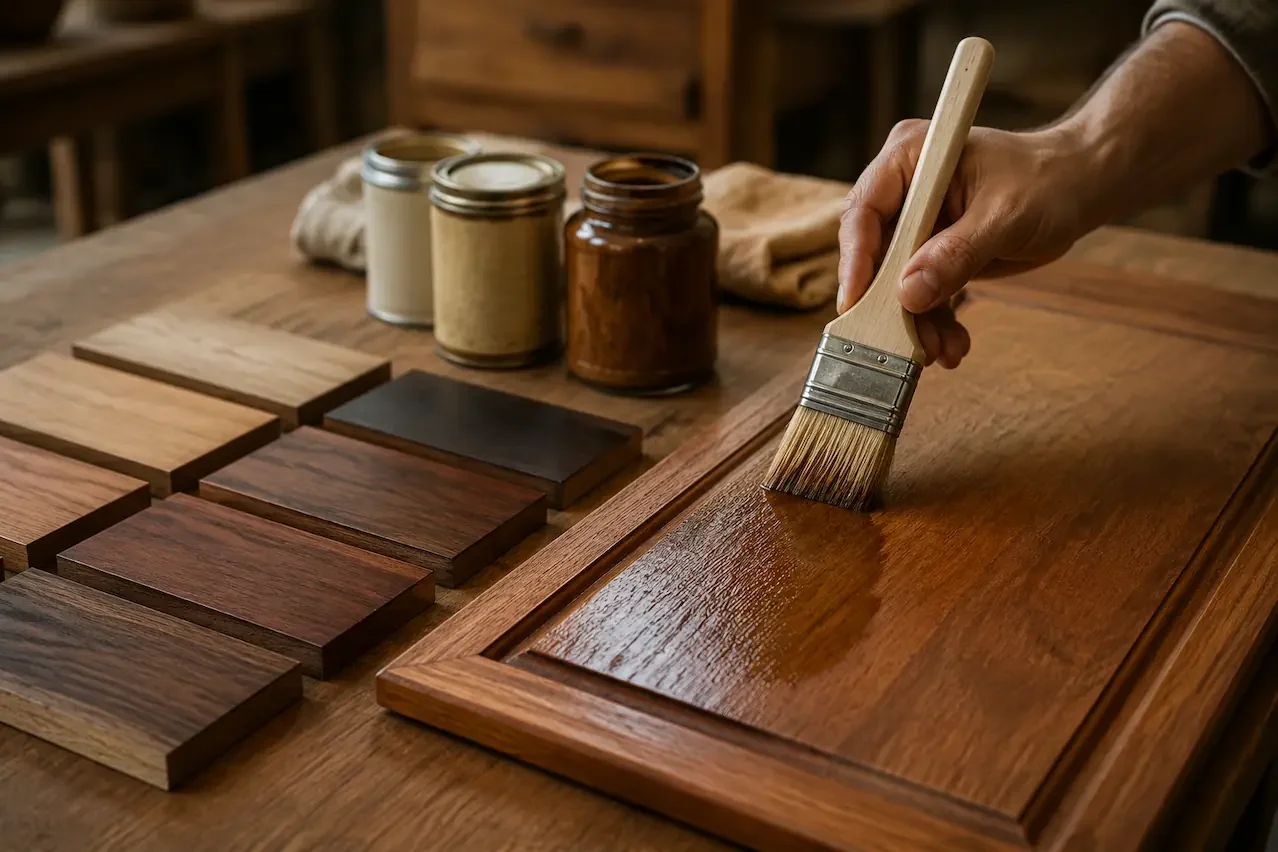
No Single Finish Is Right for Every Piece
One of the biggest misconceptions surrounding furniture restoration is that there is one perfect finish for every project. In reality, the most suitable finish depends on several important factors.
The timber species, the furniture's age, its intended use, previous restoration work, and the condition of the existing surface all influence which finish will produce the best long-term result.
For example, a mid-century coffee table that experiences daily use requires greater surface protection than a display cabinet that is rarely handled. Likewise, original teak furniture often responds differently to restoration than walnut or rosewood because each timber absorbs finishes differently.
Professional restoration focuses on matching the finish to the furniture rather than forcing every piece into the same restoration process. This produces more authentic results while preserving the natural qualities that make mid-century furniture so desirable.
Oil Finishes Preserve a Natural Appearance
Oil finishes remain one of the most popular choices for mid-century furniture because they complement the natural beauty of timber rather than covering it. Instead of creating a thick coating on the surface, oil penetrates the timber and enriches its natural colour while highlighting the grain.
This type of finish is particularly well suited to teak, walnut, and other hardwoods commonly found in mid-century furniture. When properly maintained, oil allows the timber to age gracefully while preserving the warm appearance that defines many classic designs.
One of the advantages of oil finishes is that they can often be refreshed without completely stripping the furniture. As the timber naturally dries over time, additional maintenance coats can help restore richness without dramatically altering the original finish.
Oil does, however, require ongoing care. Furniture exposed to heavy use or direct sunlight may require periodic maintenance to keep the timber protected. For homeowners who appreciate authenticity and are prepared to maintain the finish, oil remains an excellent restoration option.
Why Lacquer Continues to Be a Popular Restoration Finish
Many original manufacturers used lacquer because it provided an attractive balance between appearance and durability. It dries quickly, creates a smooth finish, and offers greater protection against everyday wear than many traditional oil finishes.
Lacquer allows the natural grain to remain visible while providing a harder protective layer that performs well on frequently used furniture such as dining tables, desks, and cabinets. This makes it one of the most practical choices when furniture must balance authenticity with everyday functionality.
Unlike thicker modern coatings, professionally applied lacquer maintains a relatively natural appearance while offering excellent long-term protection. It also allows experienced restorers to achieve a finish that closely reflects the original manufacturing methods used during the mid-century period.
Where the original finish has deteriorated significantly, professional teak and timber furniture refinishing ensures lacquer is applied appropriately while preserving the timber underneath.
Shellac Still Has a Place in Furniture Restoration
Although shellac is often associated with older antique furniture, it still plays an important role in certain restoration projects. It produces a warm, rich appearance that enhances the depth of timber while allowing natural colour variation to remain visible.
One of shellac's greatest advantages is its repairability. Minor surface damage can often be corrected without stripping the entire finish, making future maintenance more straightforward. This characteristic has helped shellac remain popular among restorers who value traditional finishing methods.
However, shellac is less resistant to moisture, heat, and heavy everyday use than some modern alternatives. For this reason, it is generally more suitable for decorative furniture or pieces that experience lighter use.
Selecting shellac should always be based on the furniture's intended purpose rather than appearance alone. A finish that performs beautifully on a display cabinet may not provide sufficient protection for a dining table that is used every day.
Why Thick Modern Coatings Are Usually Avoided
Many modern protective coatings offer exceptional durability, but they are not always the best choice for mid-century furniture restoration. Thick finishes can mask the natural grain, create an artificial appearance, and remove much of the warmth that makes vintage timber so appealing.
One of the most common mistakes I see is furniture that has been coated with products chosen purely for durability without considering authenticity. While these finishes may protect the surface, they often leave the furniture looking overly glossy or plastic-like rather than preserving its original character.
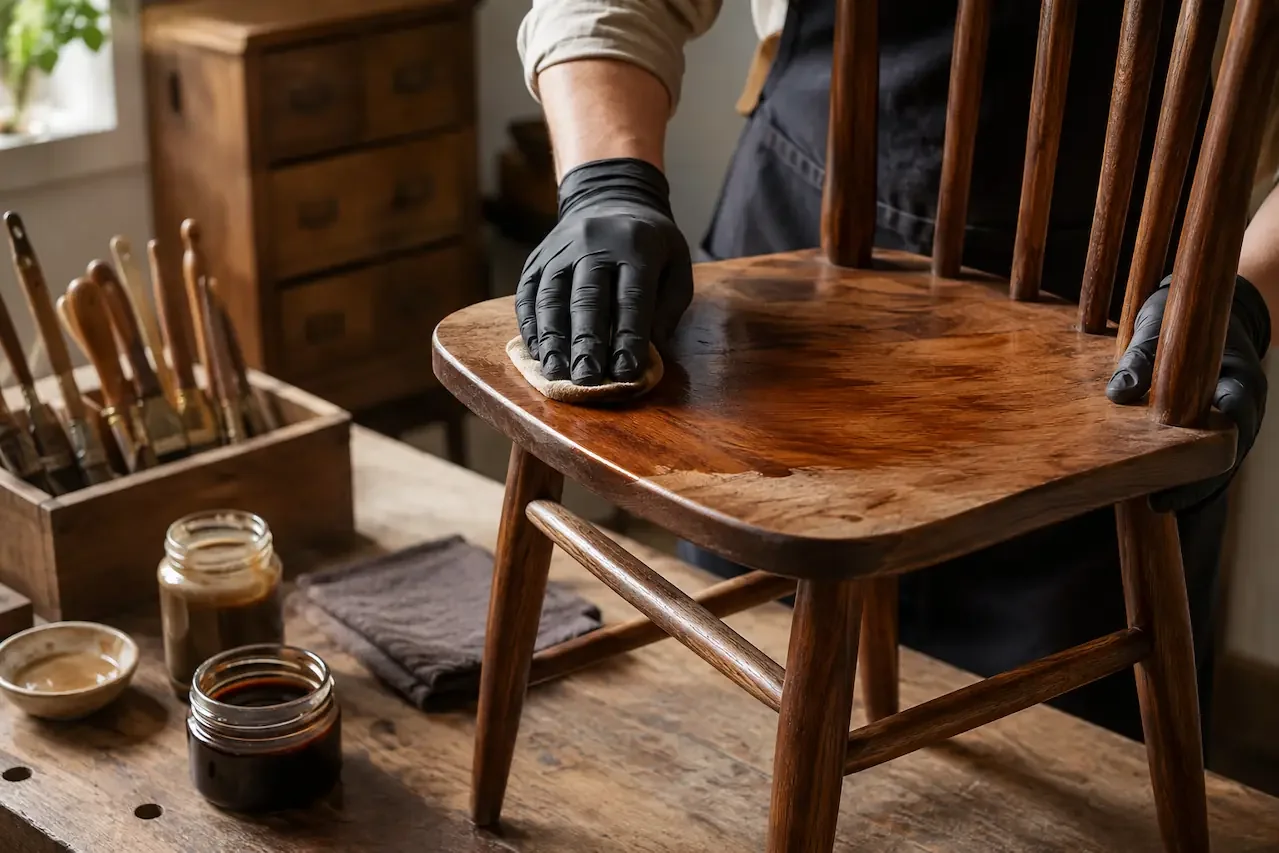
Successful restoration is about balance. The finish should provide adequate protection while remaining sympathetic to the age, craftsmanship, and design of the furniture. Preserving the natural appearance of the timber is usually far more valuable than achieving the hardest possible surface.
How Professionals Choose the Right Finish
Selecting the best finish is never a matter of personal preference alone. Every restoration begins with understanding the furniture itself. The timber species, the original finish, the condition of the surface, and how the furniture will be used all influence the final decision.
In my workshop, I never recommend the same finish for every piece. A dining table used every day requires different protection from a sideboard that mainly serves a decorative purpose. Likewise, furniture that has retained much of its original finish often benefits from a more conservative restoration than a piece that has already been heavily refinished in the past.
Professional restoration also considers how future maintenance will be carried out. Some finishes are easier to refresh years later, while others require the entire surface to be stripped before repairs can be completed. Choosing the right finish today helps ensure the furniture can continue to be maintained without unnecessary intervention.
The best restoration work is rarely the most obvious. A successful finish should protect the timber while allowing the furniture to look as though it has been carefully preserved rather than completely refinished.
Proper Surface Preparation Determines the Final Result
Even the highest-quality finish cannot compensate for poor preparation. One of the most important stages of furniture restoration happens long before the first coat is applied. Preparing the timber correctly allows the finish to bond properly and produces a more even, natural appearance.
Preparation begins with a careful inspection of the existing surface. Dirt, old furniture polish, wax build-up, and deteriorated coatings are removed without unnecessarily stripping away healthy timber. Any repairs required to veneers, joints, or damaged sections should also be completed before refinishing begins.
Sanding is approached with restraint. The objective is to smooth the surface and prepare it for finishing, not remove decades of history from the furniture. Original edges, fine details, and delicate veneers should always be preserved wherever possible.
Taking time during preparation creates a finish that performs better, lasts longer, and remains more faithful to the original craftsmanship of the piece.
Caring for a Newly Restored Finish
Applying the correct finish is only part of preserving mid-century furniture. Ongoing care plays an equally important role in maintaining the appearance and durability of the restored surface.
Freshly refinished furniture should be allowed sufficient time to cure before regular use. Although many finishes become touch-dry relatively quickly, they continue to harden beneath the surface for several days or even weeks. Allowing this process to complete improves long-term durability.
Routine cleaning should always be gentle. A soft microfiber cloth is usually sufficient to remove dust without damaging the finish. Harsh household cleaners and abrasive products should be avoided because they gradually break down protective coatings and dull the timber's natural appearance.
Environmental conditions should also be considered. Direct sunlight, excessive heat, and fluctuating humidity gradually affect both the finish and the timber itself. Keeping furniture in a stable indoor environment significantly extends the life of the restoration while reducing the need for future refinishing.
When Professional Restoration Is Worth Considering
Many homeowners enjoy maintaining their furniture themselves, but selecting and applying the correct finish becomes much more important when dealing with valuable mid-century pieces. Furniture that has historical significance, sentimental value, or complex construction deserves careful assessment before restoration begins.
Professional restoration is particularly worthwhile when the furniture has damaged veneers, previous refinishing work, structural movement, or original finishes that should be preserved rather than removed. These situations require experience, patience, and an understanding of how different finishing systems interact with ageing timber.
An experienced restoration process also avoids many common mistakes, including over-sanding, applying incompatible finishes, or choosing products that permanently alter the furniture's original appearance. Every decision should support the long-term preservation of the piece rather than providing only a short-term cosmetic improvement.
Choosing professional restoration is ultimately about protecting both the furniture and the craftsmanship that makes it valuable.
Why Choose Mid Century Restoration
Every restoration project begins with understanding the furniture rather than simply choosing a finish. My approach focuses on preserving original materials, selecting finishes that suit each individual piece, and respecting the craftsmanship that defines authentic mid-century furniture.
Why homeowners across Melbourne trust Mid Century Restoration:
More than 20 years of experience restoring original mid-century furniture using traditional preservation techniques.
Every finish is selected after carefully assessing the timber species, original construction, and intended use of the furniture.
Restoration work is completed with the goal of preserving authenticity while providing practical long-term protection.
Speak with Richard Lloyd About Choosing the Right Finish
If you're unsure which finish is most appropriate for your mid-century furniture, professional advice can help you avoid costly mistakes before restoration begins. Selecting the wrong product may affect the furniture's appearance, future maintenance, and long-term value, while the correct finish protects the timber without compromising its original character.
Richard Lloyd at Mid Century Restoration in Melbourne carefully assesses every piece before recommending a finishing system. Whether your furniture requires a sympathetic refresh or complete restoration, choosing a finish that respects the original craftsmanship ensures it can continue to be enjoyed for generations to come.
Frequently Asked Questions
What is the best finish for mid-century modern furniture restoration?
There is no single finish that suits every piece of mid-century furniture. The best choice depends on the timber species, the original finish, how the furniture will be used, and the level of protection required. A professional assessment helps determine the most appropriate finish while preserving the furniture's authenticity.
Is oil or lacquer better for mid-century furniture?
Both finishes have advantages depending on the furniture and its intended use. Oil provides a natural appearance that enhances the timber's grain, while lacquer generally offers greater durability for furniture that experiences regular everyday use. Selecting between them should always consider the original finish and the level of ongoing maintenance the owner is prepared to undertake.
Should polyurethane be used on vintage mid-century furniture?
While polyurethane provides excellent protection, it is not always the most sympathetic choice for authentic mid-century furniture. Thick modern coatings can hide the natural character of the timber and alter the appearance of the piece. Restoration usually aims to preserve the original look rather than replacing it with a heavier contemporary finish.
How long does a professionally restored furniture finish last?
The lifespan of a finish depends on the product used, how the furniture is maintained, and the conditions in which it is kept. Furniture protected from direct sunlight, excessive moisture, and harsh cleaning products will generally retain its finish for much longer. Regular maintenance also helps extend the life of the restoration without requiring complete refinishing.
Can I choose a different finish from the one originally used?
In some situations, using a different finish may be appropriate if the furniture's intended use has changed or additional protection is required. However, preserving the original appearance should remain the priority whenever possible, particularly for valuable or historically significant pieces. Professional advice helps balance practicality with authenticity to achieve the most suitable long-term result.
Conclusion
Choosing the best finish for mid-century modern furniture restoration is about far more than achieving an attractive appearance. The right finish protects the timber, supports the furniture's longevity, and preserves the natural warmth and craftsmanship that define original mid-century design.
At Mid Century Restoration in Melbourne, every finishing decision is made with the furniture's history, condition, and future use in mind. Rather than following modern trends or applying the same finish to every project, the focus is always on selecting the most appropriate solution for each individual piece, ensuring its character, value, and authenticity continue to be preserved for many years to come.