
Why Does My Mid-Century Furniture Look Dry and Faded, and How Can I Fix It
I hear this question almost every week. Someone walks into my workshop or sends me a photo and says, “My mid-century furniture looks dry and faded. It used to look rich and beautiful. What happened?”
I understand exactly what they mean. Mid-century furniture has a warm, natural glow when it is healthy. The wood grain is visible. The color feels alive. But over time, that glow slowly disappears. The surface starts to look dull. The wood feels dry. The furniture loses its character.This is when many owners start noticing faded furniture and wonder whether the original colour, grain, and warmth can still be restored.
Many people think their furniture is permanently damaged. They worry that nothing can fix it. The truth is, in most cases, mid-century furniture restoration can bring it back to life completely. The dryness and fading are usually signs that the wood has lost its natural oils, not its strength.
Once you understand why this happens, you can treat faded furniture safely and restore its original beauty without covering the natural timber grain.
Understanding What Makes Mid-Century Furniture Special
Mid-century furniture is different from modern furniture. It was designed to highlight the natural beauty of wood. Most pieces were made from teak, walnut, or rosewood. These woods contain natural oils that give them their rich color and smooth finish.
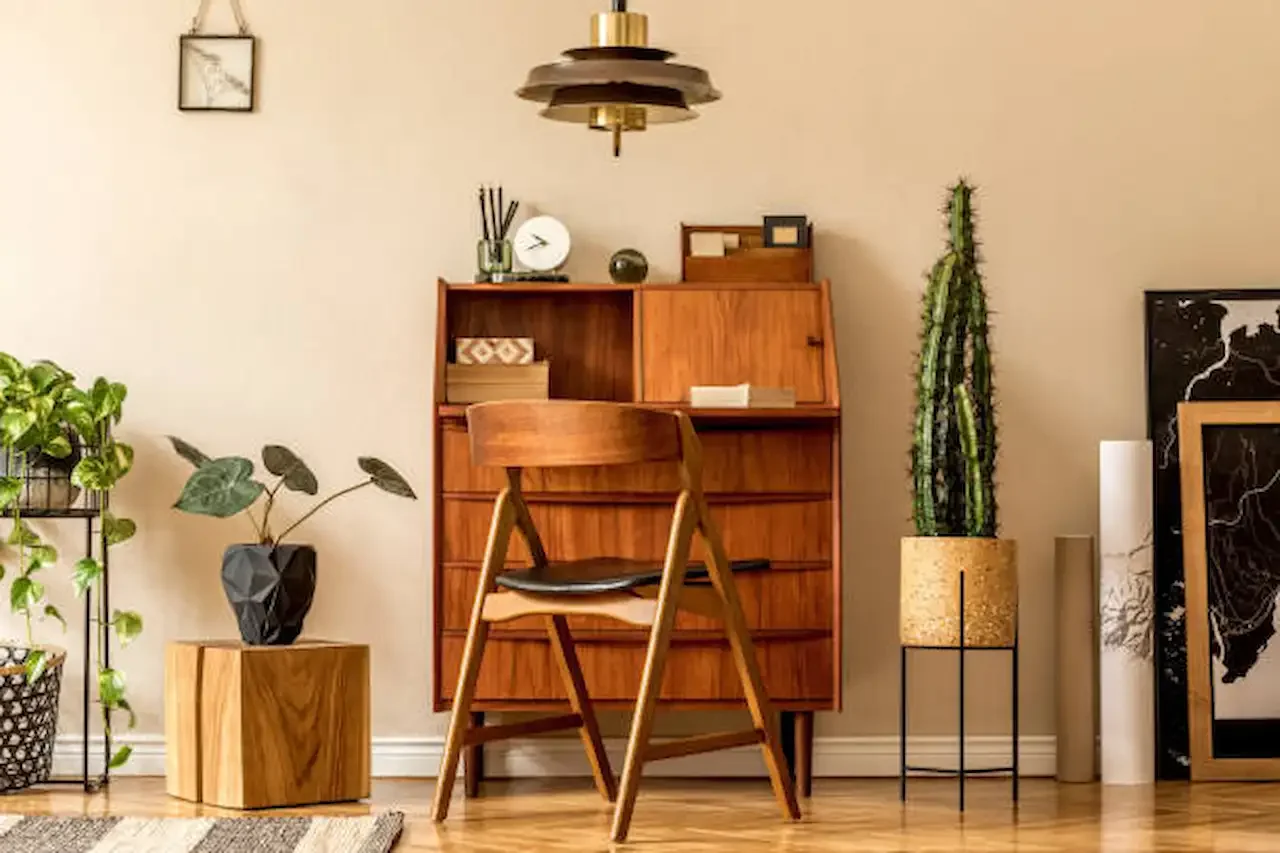
Unlike modern furniture, mid-century pieces were not covered in thick artificial coatings. Instead, they were finished with oil-based treatments that allowed the wood to breathe.
This is why mid-century furniture looks so natural and warm. But it is also why it needs proper care and maintenance.
When those natural oils dry out, the furniture starts to look faded and lifeless.
Why Mid Century Furniture Becomes Dry Over Time
The most common reason for dryness is age. Wood naturally loses moisture over time. This is a slow and gradual process.
Sunlight is another major cause. When furniture sits near windows, the sun slowly removes the natural oils from the wood surface. I often see one side of a cabinet more faded than the other because it faced the sunlight for years.
Indoor heating and air conditioning also affect wood. Dry air pulls moisture out of the furniture. Even normal daily use contributes to this process.
This is why people search for how to restore faded mid century furniture when the colour becomes uneven, the surface looks dull, and the wood no longer feels rich.
The important thing to understand is that this dryness is usually reversible.
How to Recognize When Your Furniture Needs Restoration
When I examine furniture, there are clear signs that restoration is needed. The surface looks dull instead of rich. The color appears lighter and uneven. The wood grain becomes harder to see.
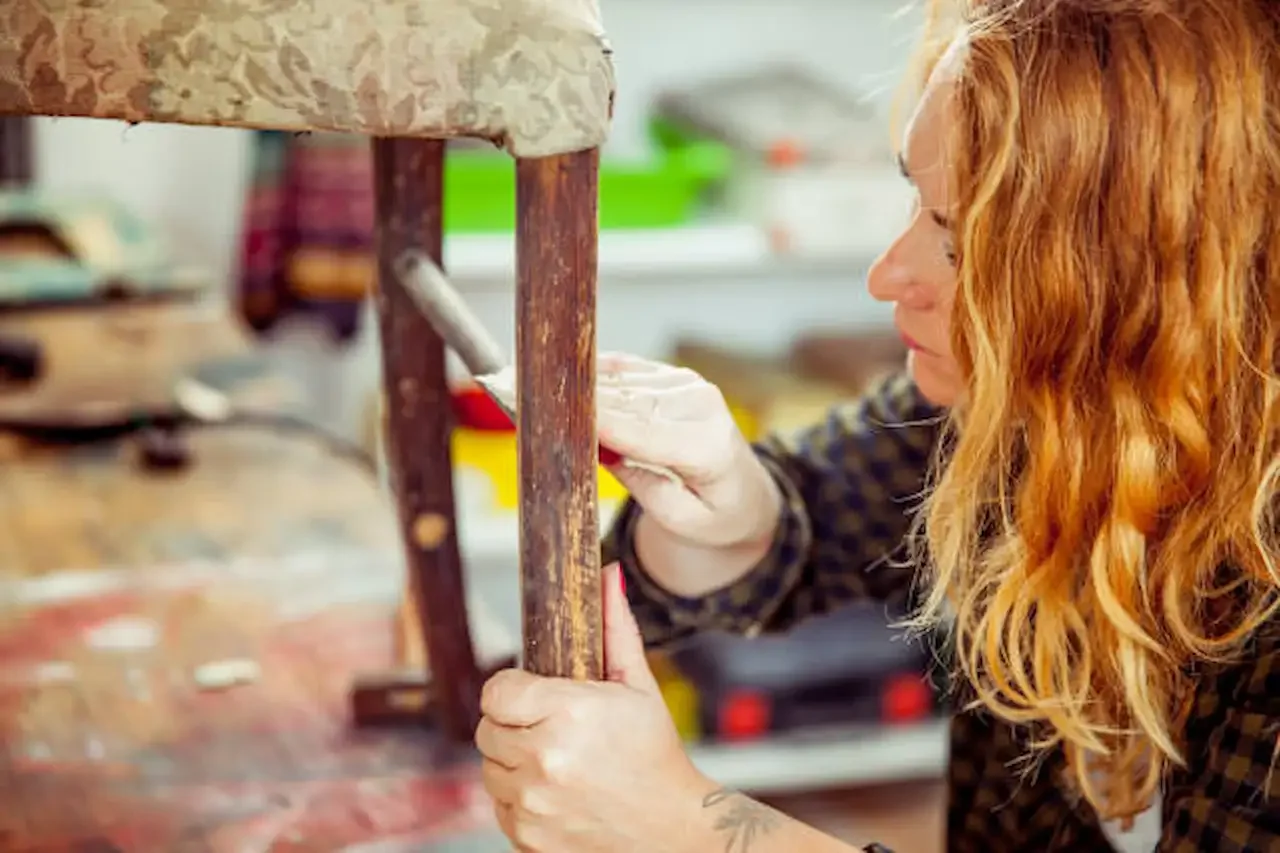
If the piece is a chair, the mid-century armchair restoration process may also include checking the frame, arms, joints, and timber surface before refinishing begins.
Many clients tell me, “It does not look like it used to.” That is the perfect description.
These signs do not mean the furniture is ruined. They mean the wood needs proper mid century furniture refinishing to restore its natural oils and color.
The sooner restoration begins, the easier it is to achieve excellent results.
Why Using the Wrong Products Can Make It Worse
One of the biggest mistakes I see is the use of incorrect products. People try using household cleaners, sprays, or modern varnishes.
These products often sit on top of the wood instead of restoring it. Some even block the wood from absorbing moisture.
I have seen furniture where modern coatings completely hid the natural grain. The furniture looked artificial and lost its original character.
Mid century wood restoration requires the right approach. The goal is to restore the wood, not cover it.
Using proper oil based restoration allows the wood to recover naturally.
How I Restore Mid Century Furniture and Bring It Back to Life
The restoration process begins with careful inspection. Every piece is different. Some need light restoration, while others need deeper refinishing.
I start by cleaning the surface gently. This removes dirt, old polish, and buildup that prevent proper restoration.
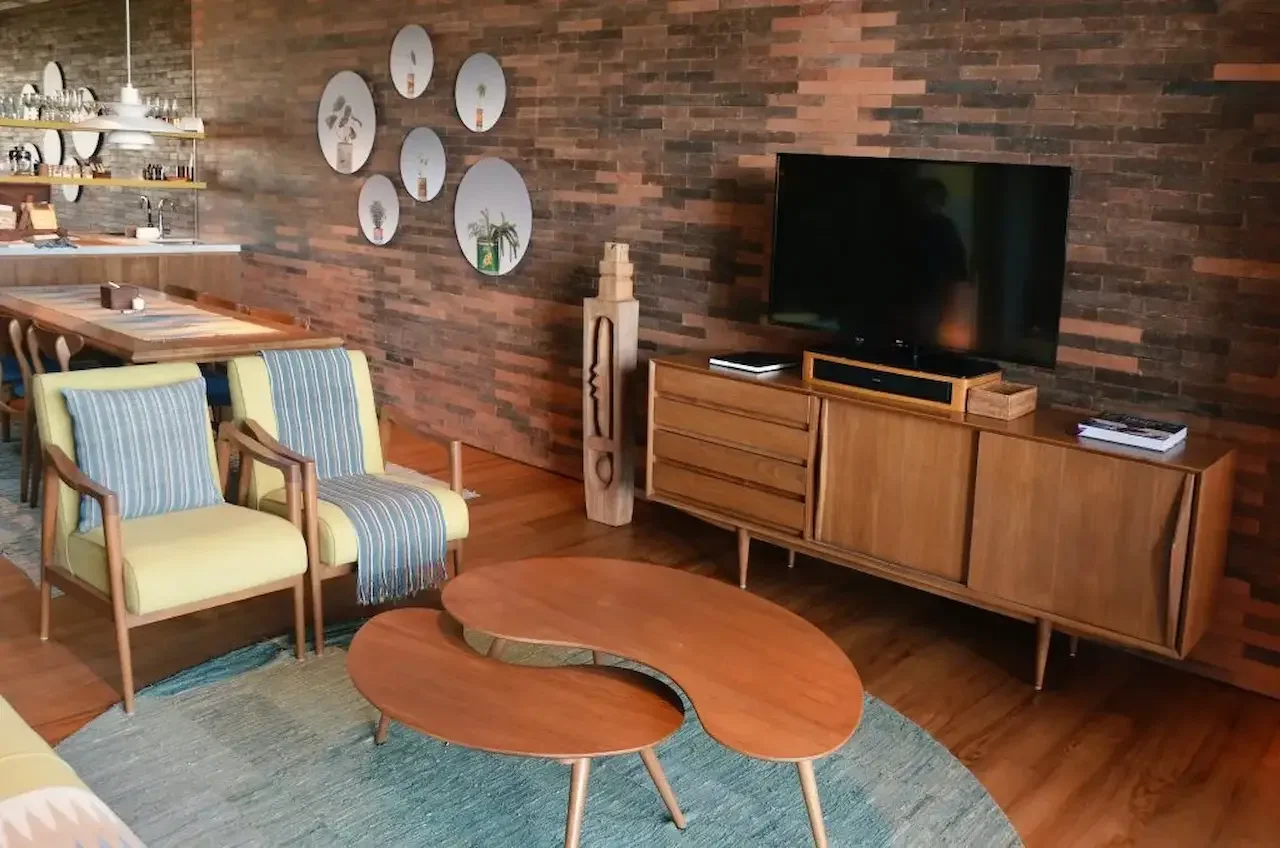
Next comes the most important step, oil restoration. When I apply oil, the wood begins to absorb it immediately. The dry surface starts to regain its richness.
This is always the most satisfying moment. The faded wood begins to look alive again. The grain becomes visible. The color returns.
This process restores mid century furniture safely without damaging its original finish. For dry or faded furniture, careful teak and timber furniture refinishing helps restore the natural oils while keeping the original character of the piece intact.
The goal is always preservation, not replacement.
How Professional Mid Century Furniture Restoration Protects the Wood
Professional restoration focuses on long term protection. It restores the natural oils and stabilizes the wood.
This helps prevent future dryness and damage. It also preserves the original finish, which is important for maintaining value.
I often explain to clients that proper restoration is an investment. It extends the life of their furniture and keeps it looking beautiful.
Professional mid century furniture restorationalso ensures that the correct materials and methods are used.
This prevents costly mistakes and permanent damage.
How to Prevent Mid-Century Furniture From Drying Again
Once furniture is restored, proper care helps maintain its condition. I always advise keeping furniture away from direct sunlight. This protects the wood from drying out again.
Regular maintenance also helps. Gentle cleaning and occasional oil care keep the wood healthy.
Mid century furniture is built to last for generations. With proper mid century furniture care, it can remain beautiful for decades.
The key is understanding that wood is a natural material. It needs moisture and protection.
When properly maintained, restored furniture continues to age gracefully.
Why Restoration Is Better Than Replacing Mid-Century Furniture
Many people consider replacing faded furniture with new pieces. But modern furniture rarely matches the quality of mid century craftsmanship.
Older furniture was built using solid wood and careful construction. Restoration preserves this quality.
I have seen clients surprised by the results. They often say, “It looks even better than I expected.”
Restoring mid century furniture keeps its original character and history alive.
It also makes financial sense. Restoration is often more valuable than replacement.
Bringing furniture back to life is always more meaningful than replacing it.
Conclusion
When mid century furniture starts to look dry and faded, many people feel worried. They think the damage is permanent. But in my experience, this is rarely true. Dryness and fading are natural signs of aging, and with proper mid century furniture restoration, the original beauty can return.
I have seen countless pieces that looked lifeless at first. The color was gone. The surface looked tired. But after careful restoration, the transformation was remarkable. The wood regained its richness. The grain became visible again. The furniture looked alive.
The most important thing is using the right restoration process. Mid-century furniture was designed to be restored, not replaced. Proper oil-based restoration brings back moisture and protects the original finish.
If your furniture looks dry or faded, it is not the end of its life. It is simply asking for the right care. With professional restoration, your furniture can continue to serve your home for many more years.
Why Choose Us for Mid-Century Furniture Restoration
When someone brings me their mid-century furniture, I understand the trust they are placing in me. These pieces often hold personal memories and value. My goal is always to restore mid-century furniture safely while preserving its original character.
I use professional mid-century furniture restoration methods that focus on protecting the natural wood, restoring lost oils, and improving dry or faded surfaces carefully. I do not use harsh modern coatings that hide the authentic finish. Instead, I restore the natural oils and bring the wood back to life.
Every piece is different, so I carefully inspect the furniture before starting the restoration. This allows me to use the correct process for the best results.
Clients often tell me they did not expect such a dramatic improvement. Their faded and dry furniture looks rich and beautiful again, without losing its originality.
Choosing expert mid-century furniture restoration ensures your furniture is protected, preserved, and restored correctly.
Frequently Asked Questions
Why does my mid-century furniture look faded?
Mid-century furniture looks faded because the natural oils in the wood dry out over time. Sunlight, air, and indoor conditions slowly remove moisture from the surface.
Can faded mid-century furniture be restored?
Yes, faded mid-century furniture can usually be restored completely. Proper oil-based restoration brings back the natural color and richness of the wood.
Is dry mid century furniture permanently damaged?
No, dryness is usually not permanent damage. It is a sign that the wood needs moisture and proper restoration.
How do professionals restore mid century furniture?
Professional restoration includes cleaning, surface preparation, and oil based refinishing. This restores the natural oils and protects the original finish.
Is it safe to restore mid century teak furniture?
Yes, when done correctly, restoration is safe and helps extend the life of the furniture. Professional restoration protects both appearance and value.
How long does restored mid century furniture last?
With proper care and maintenance, restored mid century furniture can last for many decades while maintaining its beauty.