
How to Identify Valuable Mid-Century Furniture That Deserves Restoration
Restoring valuable mid-century furniture requires an understanding of both its aesthetic value and functional importance. At Mid Century Restoration, I have seen firsthand how a seemingly worn-out piece can be transformed into a priceless treasure. Recognizing which pieces deserve this kind of care is key for homeowners and collectors alike.
As a restoration professional, I prioritize a strategy that goes beyond surface-level assessment. When it comes to mid-century modern furniture, knowing what makes a piece valuable—both in terms of materials and craftsmanship—helps guide the restoration process and ensures the investment pays off.
Valuable mid-century furniture is usually identified by its original design, quality materials, craftsmanship, condition, and long-term restoration potential.Before restoring any piece, it is important to check whether the furniture has original features, strong construction, and materials that make restoration worthwhile.
Understanding the Value of Mid-Century Furniture
When it comes to mid-century furniture, not all pieces are created equal. I always advise clients to consider the design and materials of a piece before deciding whether it’s worth restoring. These factors play a crucial role in its overall value, and understanding them can make a significant difference in your investment.
A mid-century piece is often more valuable when it keeps its original shape, finish, hardware, proportions, and design character.
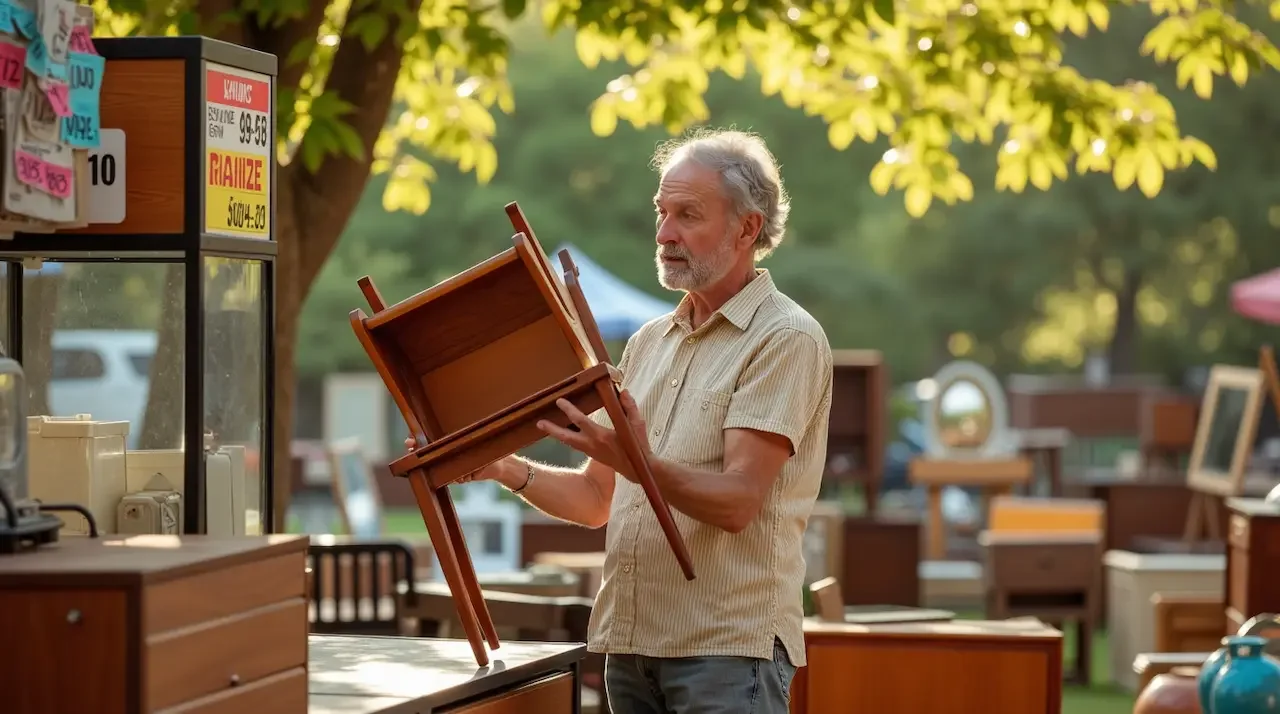
One of the first things I assess is the authenticity of the furniture. Is it truly mid-century, or is it a later reproduction? Mid-century modern furniture is characterized by specific design features, such as clean lines, functional forms, and the use of natural materials like teak, walnut, and rosewood. If the piece is made from one of these materials and follows the era’s distinctive design, it’s often worth restoring.
Recognizing High-Quality Craftsmanship
I have seen firsthand how a well-crafted mid-century piece can hold substantial value. Furniture made by renowned designers or manufacturers from the mid-century era is particularly valuable. These names are often associated with high-quality materials and expert craftsmanship, which stand the test of time.
Strong joinery, balanced proportions, smooth drawer movement, solid timber, and careful detailing are common signs of high-quality mid-century craftsmanship.
For instance, pieces designed by Hans Wegner, Arne Jacobsen, or Charles and Ray Eames are often sought after by collectors. When you encounter furniture with a recognizable signature or a well-known manufacturer’s mark, it’s worth investing in restoration, as these pieces not only hold value but often appreciate over time.
Key Signs That Your Mid-Century Furniture Deserves Restoration
When evaluating whether your mid-century furniture deserves restoration, it’s important to look for signs of structural integrity and design consistency. I prioritize a strategy that combines form and function. Here are a few indicators that a piece is worth restoring:
A piece usually deserves restoration if it is structurally sound, made from quality materials, and still has its original design details intact.
Sturdy structure: If the frame or joints are intact and stable, the furniture is a good candidate for restoration. Even minor damage to the wood or joints can often be repaired with expert care.
Original finishes: Preserving the original finish is often more valuable than replacing it. If the wood has only minor surface damage, such as light scratches or fading, a professional refinishing may bring it back to life.
Design consistency: Look for furniture that maintains its original design. Mid-century pieces with their original proportions, shapes, and hardware are often worth restoring, especially if they remain true to the style of the period.
The Role of Materials in Determining Value
Another key factor in determining whether a piece is worth restoring is its material composition. At Mid Century Restoration, I help clients understand that the materials used in mid-century furniture are often what make it so valuable. High-quality woods, such as teak and rosewood, were commonly used during this period and are highly sought after in today’s market.
Materials such as teak, walnut, rosewood, oak, leather, and original metal accents can increase the value of mid-century furniture when they are preserved properly.

For example, teak furniture is particularly desirable due to its durability and rich, warm color. Even if a piece shows signs of wear, refinishing and restoring the wood can significantly enhance its aesthetic appeal. Similarly, other materials like metal accents and leather upholstery are essential to maintaining a piece’s historical integrity and value.
Cost-Effective Restoration: Is It Worth It?
Restoring mid-century furniture is often an investment that pays off, especially when the piece is valuable. However, cost-effectiveness is a concern for many. I always advise clients to evaluate the restoration costs in relation to the potential value increase.
Restoration is usually worth it when the cost of repair is lower than the replacement value and the piece has design, material, or sentimental importance.
For example, a well-known designer piece that only needs minimal repair or refinishing will likely be worth far more after restoration, as opposed to a piece that requires extensive structural work or material replacements. In these cases, assessing the potential return on investment is crucial.
For Melbourne homeowners, professional mid-century furniture restoration can help protect valuable pieces while keeping their original style and character intact.
Trusting Professional Restoration Services
At Mid Century Restoration, I assist clients in making informed decisions about their furniture. When you’re unsure about whether a piece is worth restoring, a professional restoration service can help provide clarity. I always prioritize careful evaluation, transparent cost assessments, and expert restoration techniques.
By working with a trusted specialist, you can ensure that your valuable mid-century furniture receives the attention it deserves, enhancing both its beauty and value. Whether you’re looking to restore a cherished family heirloom or invest in a piece with long-term value, seeking professional help is always a wise choice.
Conclusion
Restoring valuable mid-century furniture is not just about enhancing its appearance; it’s about preserving the craftsmanship and history of these timeless pieces. With a keen understanding of design, materials, and authenticity, I help clients make informed decisions about restoration. Whether you are considering restoring a rare designer piece or a beloved family heirloom, the investment in professional restoration often pays off in both aesthetic and financial value.
Choosing the right restoration specialist matters because valuable mid-century furniture can lose both character and value if it is repaired with the wrong materials or techniques.
Why Choose Us
At Mid Century Restoration, I prioritize quality, transparency, and expertise in every restoration project. Here’s why our clients trust us:
Expert craftsmanship: Over 20 years of experience in restoring mid-century furniture with precision
Value preservation: We ensure that each piece retains its original value while being restored to perfection.
Tailored solutions: Personalized restoration services to meet the specific needs of each piece.
Efficient process: Transparent pricing and timelines, so you always know what to expect.
Local expertise: Based in Melbourne, we understand the unique characteristics of mid-century furniture and offer specialized services.
FAQs
How do I know if my mid-century furniture is worth restoring?
If the furniture is made from high-quality materials like teak or rosewood and maintains its original design, it’s likely worth restoring.
Can I restore my mid-century furniture myself?
While minor repairs can be done by a DIY enthusiast, professional restoration ensures that the piece is preserved and retains its full value.
How long does the restoration process take?
The timeline varies based on the complexity of the restoration, but most projects take between 2-6 weeks.What is the cost of restoring mid-century furniture?
The cost depends on the condition of the furniture and the extent of the restoration needed. I always provide a transparent cost estimate before starting.
What makes mid-century furniture valuable?
Mid-century furniture is usually valuable when it has original design features, quality materials, strong craftsmanship, good condition, and clear restoration potential.