
How to Bring Back the Shine to Dull and Dry Wooden Furniture
Wooden furniture is a timeless addition to any home, known for its durability and natural beauty. However, over time, exposure to sunlight, moisture, and everyday use can cause it to lose its luster. I’ve seen firsthand how wooden furniture can look worn out, dry, and lack that polished shine that makes it stand out. But the good news is that restoring the shine to your dull and dry wooden furniture is completely achievable with the right techniques and care.
In this article, I’ll walk you through the steps for restoring shine to your wooden furniture, provide some expert furniture care tips, and explain how to properly maintain the wood for long-lasting results.
Understanding the Causes of Dull and Dry Wood Furniture
Before diving into the process of restoring your wooden furniture, it’s important to understand what causes wood to lose its shine in the first place. As a restoration professional, I always start by analyzing the condition of the wood to determine the best approach for bringing it back to life. Here are some common causes:
Sun Exposure: Over time, exposure to direct sunlight can cause wood to dry out and fade, resulting in a dull, lackluster surface.
Moisture and Humidity: Wood can absorb moisture from the air, causing it to swell and then shrink as it dries out, which can leave the surface dry and cracked.
Improper Cleaning: Harsh chemical cleaners or abrasive cloths can damage the wood’s protective finish, leading to a loss of shine.
Age and Wear: Even high-quality wooden furniture can become dry and dull over time as the natural oils in the wood wear away.
Step 1: Cleaning the Surface
The first step to restoring shine to your wooden furniture is cleaning it thoroughly. Before applying any treatments, you need to remove dust, dirt, and old wax or polish buildup. I always advise my clients to avoid abrasive cleaners or tools that might scratch the surface of the wood.

Here’s how to clean your wooden furniture properly:
Dust the Furniture: Use a soft, lint-free cloth or a microfiber duster to remove surface dust. Be sure to dust in the direction of the wood grain to avoid scratching the surface.
Mild Cleaning Solution: For deeper cleaning, mix a small amount of mild dish soap with warm water. Dampen a cloth with the solution, making sure it's not soaking wet, and gently wipe the furniture. Always dry the wood immediately with a clean, dry cloth to prevent moisture damage.
Deep Cleaning: If the wood has years of built-up wax or dirt, a specialized wood cleaner or wax remover is necessary. Apply it according to the manufacturer’s instructions, then wipe off any excess residue.
Cleaning is crucial, as a clean surface will allow any subsequent treatment or polish to be absorbed better, giving you a longer-lasting shine.
Step 2: Sanding the Surface
After cleaning, the next step in the process is sanding the surface. This is especially important if your wooden furniture has scratches or any uneven texture. Sanding smooths out the wood, allowing for a more even application of oils or wax.
Here’s the approach I recommend:
Fine Sandpaper: Use fine-grit sandpaper (220-grit or higher) to gently sand the surface. Always sand with the grain of the wood to avoid damaging it. If the wood has significant scratches or damage, you may want to start with a coarser grit, such as 120-grit, and then finish with a finer one.
Sanding Procedure: Lightly sand the surface in circular motions, applying minimal pressure. If you’re working on a larger piece of furniture, like a table, start from one end and move across, ensuring you don’t miss any areas.
Clean Again: Once you’ve sanded the piece, wipe it down with a clean, damp cloth to remove the sanding dust. Allow the wood to dry completely before moving to the next step.
Sanding can help remove any old finish that’s built up over the years, leaving a fresh surface ready for refinishing.
Step 3: Restoring the Shine with Oil or Polish
Now that the surface is clean and smooth, it’s time to restore the wood’s shine with oil or polish. Teak and other wooden furniture often benefit from natural oils, which nourish the wood and bring back its rich, warm color.
Here are the steps for restoring shine:
Choose the Right Product: I recommend using a wood oil like teak oil or linseed oil, which will not only restore shine but also moisturize the wood. Avoid using wax-based products on furniture that gets heavy use, as wax tends to build up over time.
Application: Apply a small amount of oil to a clean, soft cloth. Gently rub the oil into the wood in a circular motion, working with the grain. Start with a thin layer and add more as needed. Avoid over-applying, as this can lead to a sticky residue.
Buff the Surface: After the oil has been applied and absorbed into the wood (usually after about 15 minutes), buff the surface with a clean cloth to bring out the shine. This will help ensure a smooth, glossy finish.
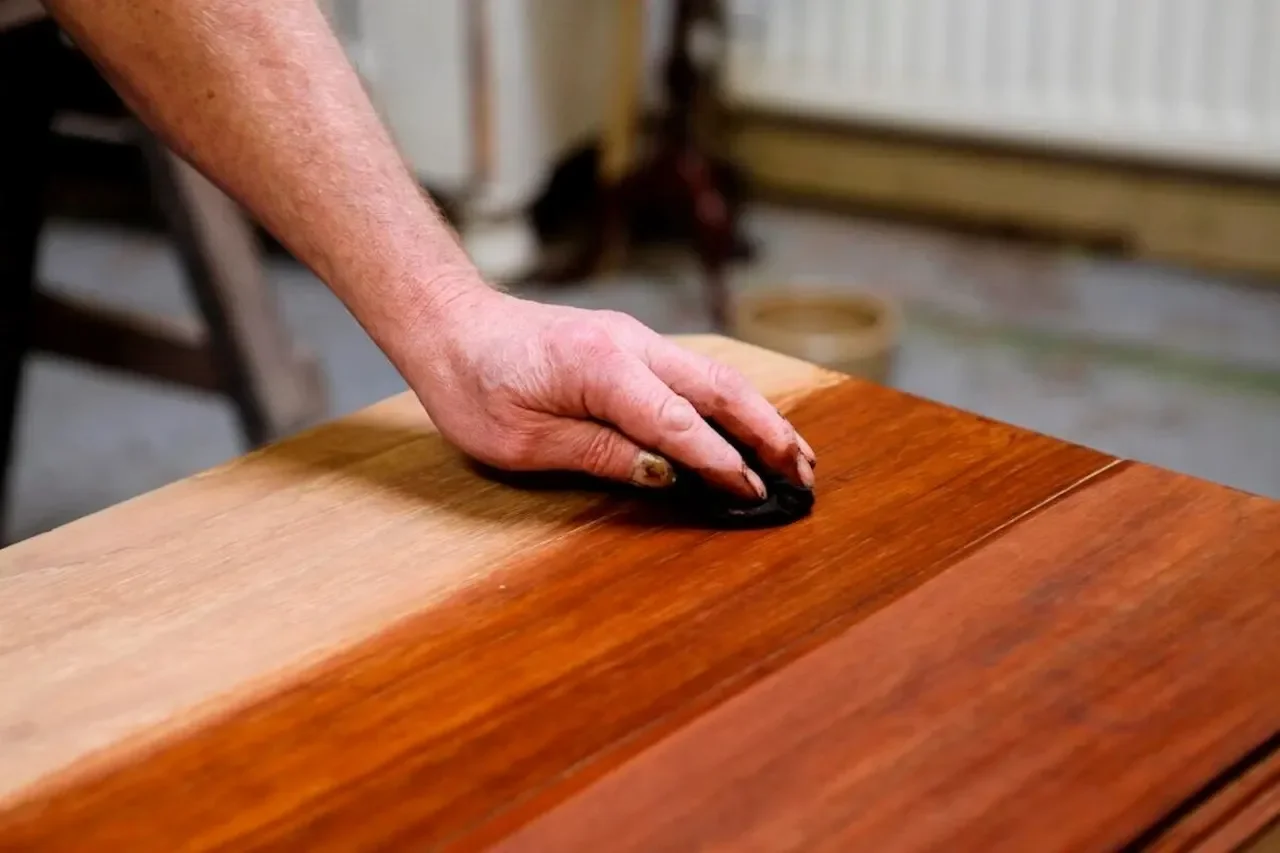
If you’re unsure about which product to use, I always advise my clients to test the oil on a hidden area of the furniture to ensure it doesn’t affect the color or finish.
Step 4: Maintaining the Shine
Once your wooden furniture has been refinished, maintaining its shine is relatively simple, but regular care is essential. I always tell clients that maintenance is the key to long-lasting beauty. Here are a few tips to maintain the shine:
Regular Dusting: Dust your wooden furniture regularly to avoid buildup that can dull the surface. Use a soft, microfiber cloth that won't scratch or damage the wood.
Use Coasters and Placemats: To prevent water rings or stains, always use coasters under drinks and placemats under hot items. This will protect the surface from moisture and heat damage.
Reapply Oil as Needed: Depending on usage and exposure, you may need to reapply oil every few months to maintain the shine and keep the wood hydrated. If the furniture starts looking dull again, repeat the oiling process.
Avoid Harsh Chemicals: Never use harsh cleaning chemicals or abrasive materials on your wood furniture, as these can strip away the protective finish and damage the wood.
Conclusion
Restoring the shine to your dull and dry wooden furniture doesn’t have to be a daunting task. With the right cleaning, sanding, and polishing techniques, your furniture can regain its original beauty and last for years to come. Regular maintenance and care are essential for preserving both the appearance and value of your wooden pieces. If you’re ever in doubt, seeking professional help for refinishing will ensure that your furniture receives the best care possible.
Why Choose Us
At Mid Century Restoration, we bring over 20 years of experience in restoring wooden furniture to its former glory. Here’s why our clients trust us:
Expert craftsmanship: Skilled professionals dedicated to providing the highest quality restoration.
Value preservation: Ensuring each piece retains its original value and aesthetic appeal.
Tailored solutions: Offering customized restoration services to suit your specific needs.
Efficient process: Transparent pricing and clear timelines to keep you informed every step of the way.
FAQs
How can I restore the shine to my wooden furniture?
Cleaning, sanding, and applying a wood oil or polish can effectively restore the shine to your wooden furniture.
How often should I reapply oil to my wooden furniture?
Depending on use, reapply oil every 3 to 6 months to maintain the wood’s natural luster.
Can I use any oil on my wooden furniture?
It’s best to use a natural wood oil, such as teak oil or linseed oil, for the best results.
Can I restore the shine to my wooden furniture myself?
Yes, with the right tools and products, you can easily restore shine to your wooden furniture. For larger projects, consider professional help.