
How to Revive Original Mid-Century Features in Your Home's Interior
Mid-century modern design is renowned for its clean lines, functionality, and timeless style. As a professional in the field of interior restoration, I’ve seen firsthand how reviving original mid-century features can transform a space, offering both a nod to the past and a fresh, modern update. Whether you're working with a vintage home or simply looking to add mid-century charm to your existing interior, understanding the key design elements and restoration techniques is crucial.
In this blog, I’ll guide you through how to revive mid-century features in your home, from restoring vintage furniture to updating architectural details like wood paneling and wall treatments. By following these tips, you’ll be able to preserve the integrity of mid-century modern style while making your home feel current and livable.
Understanding the Core Features of Mid-Century Design
Before diving into how to revive mid-century features, it’s important to understand what makes mid-century modern design unique. As a restoration professional, I often advise my clients to start with a clear vision of the core elements of this style. Here are the key features to look out for when reviving mid-century design in your home:
Clean Lines: One of the defining characteristics of mid-century design is the use of straight, clean lines in furniture and architecture.
Natural Materials: Teak, walnut, oak, and other wood finishes are central to mid-century style, along with materials like glass, metal, and ceramics.
Functional Design: The focus was on furniture and interiors that were not only beautiful but practical. Think of open shelving, modular furniture, and space-saving designs.
Bold, Geometric Patterns: Colors and patterns in mid-century design are often bold, with rich accent colors and geometric motifs.
Once you understand these features, the next step is knowing how to incorporate them into your own living space.
Restoring Mid-Century Furniture
Mid-century modern furniture is a standout feature in any home. Over the years, wear and tear can make even the most beautiful pieces appear outdated or worn. As someone with experience in furniture restoration, I always advise my clients to start with their vintage furniture when reviving mid-century features.
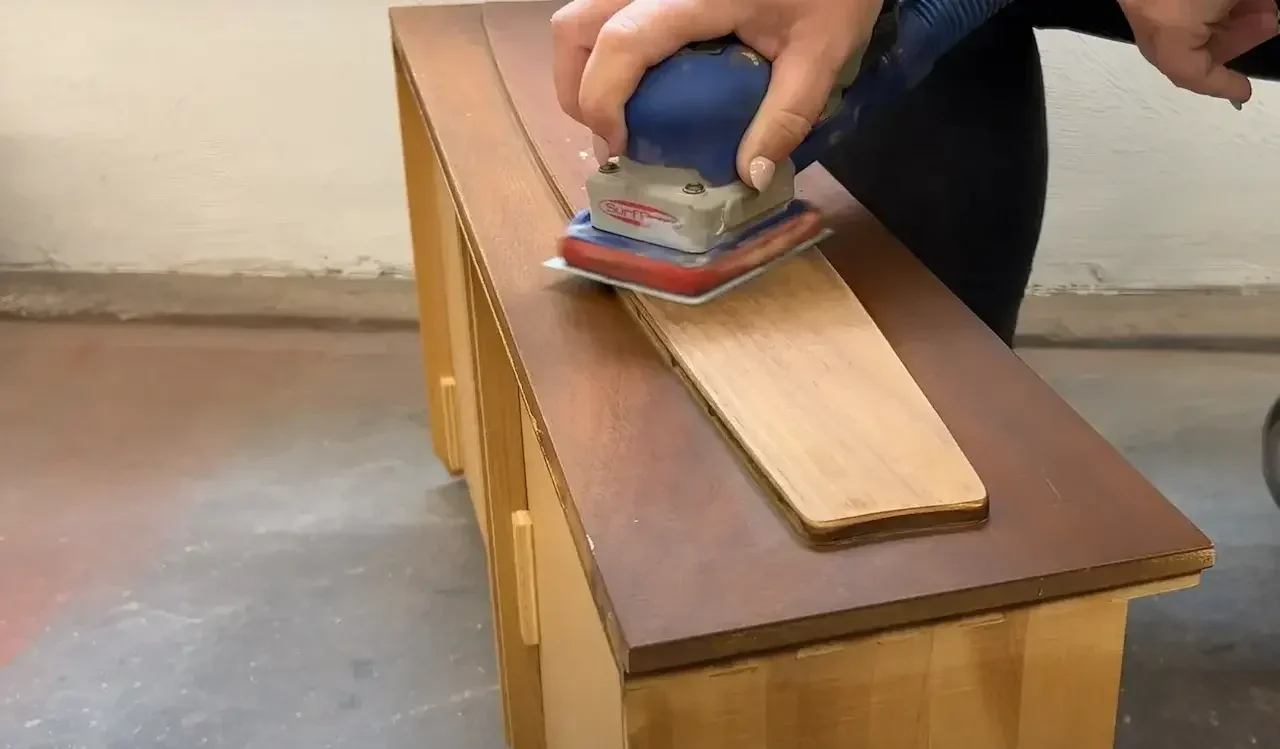
Refinishing Wood: For wooden furniture, refinishing can make a massive difference. Teak, a staple wood in mid-century furniture, can often be restored to its original luster with a teak oil or a gentle sanding and re-staining process. If you have pieces made of rosewood or walnut, these woods can be similarly refreshed with minimal effort.
Upholstery: If your furniture has fabric or leather upholstery, consider reupholstering it with retro patterns or modern, durable fabrics that reflect the era's colors and textures. This is a great way to add a fresh look while maintaining authenticity.
Hardware Updates: Sometimes, the hardware (like knobs or legs) can make or break a piece. Consider replacing old hardware with vintage-style replacements or mid-century-inspired designs, such as brass legs or chrome hardware, to keep the furniture’s aesthetic intact.
Restoring your furniture with these methods will breathe new life into your space, maintaining the mid-century charm while enhancing the functionality of the pieces.
Updating Architectural Features: Wood Paneling and Wall Treatments
When people think of mid-century modern interiors, they often envision sleek walls, natural wood accents, and expansive windows. Reviving these architectural elements in your home can bring the mid-century style front and center.

Wood Paneling: One of the most iconic features of mid-century modern design is wood paneling, often used to accentuate walls or ceilings. If you have wooden panels, consider refinishing them to bring out their natural grain. If the wood has darkened over time, sanding and applying a clear finish will reveal its original warmth.
Feature Walls: Another popular mid-century design feature is the feature wall. These walls were often painted in bold accent colors like mustard yellow, teal, or burnt orange. For a modern update, consider incorporating retro wallpaper with geometric patterns, or using bold-colored paint on one wall to create a dramatic focal point.
Mid-Century Windows: Windows were a defining feature in mid-century homes, often large and expansive, allowing natural light to flood the room. If you have older windows that have lost their efficiency, updating them with modern energy-efficient windows can keep the style while improving performance. Consider adding sliding doors or open-concept designs to connect interior spaces with outdoor living areas.
Reviving these architectural features will make your home feel more spacious, bright, and true to mid-century modern aesthetics.
Bringing Back the Iconic Mid-Century Color Palette
The color palette in mid-century modern homes often features bold accent colors against neutral backdrops. In living rooms, dining areas, and kitchens, you’ll see pops of red, yellow, blue, green, and orange mixed with muted tones like gray, white, and black. Here’s how you can bring back this iconic palette:
Accent Walls: As mentioned, using bold, colorful accent walls is an easy way to introduce mid-century color into your home. Combine vibrant colors like turquoise or avocado green with neutral tones such as off-white or charcoal gray.
Mid-Century Lighting: Another great way to bring in color is through lighting. Classic mid-century light fixtures often feature shades in geometric shapes or bold colors like red and yellow.
Textiles and Fabrics: Look for mid-century-inspired fabrics such as bold geometric patterns or tweed for throw pillows, curtains, or even rugs.
The key is to balance the boldness of mid-century colors with the clean and neutral backdrop of the furniture and walls.
Conclusion
Reviving original mid-century features in your home’s interior doesn’t mean you have to preserve everything exactly as it was. The beauty of mid-century modern design lies in its ability to evolve and adapt to contemporary living while still retaining the charm and character of its era. By focusing on furniture restoration, updating architectural features, and introducing the iconic mid-century color palette, you can easily breathe new life into your home’s interior and enjoy the timeless appeal of mid-century design.
Why Choose Us
At Mid Century Restoration, I specialize in helping clients preserve and restore their mid-century modern interiors. Here’s why clients trust our services:
Expert craftsmanship: Over 20 years of experience in mid-century modern furniture and home feature restoration.
Authenticity preservation: We help preserve the integrity and character of your home’s original mid-century features.
Personalized solutions: Tailored design and restoration services to meet the unique needs of your space.
Efficient service: Transparent pricing and clear timelines to ensure a smooth restoration process.
FAQs
What are the key features of mid-century modern design?
Mid-century modern design is known for clean lines, functional forms, natural materials like wood, and bold accent colors.
How can I restore my mid-century furniture?
Restoring mid-century furniture involves refinishing wood, reupholstering fabric, and sometimes replacing hardware to bring it back to its original look.
Is it expensive to restore mid-century home features?
The cost depends on the extent of restoration needed, but updating architectural features like wood paneling and accent walls can be cost-effective.
Can I combine modern design with mid-century style?
Absolutely! Mid-century modern design blends seamlessly with contemporary styles. It’s about balancing the vintage elements with modern functionality.