
What Is My Mid-Century Furniture Worth? A 2026 Buying, Selling & Valuing Guide
When someone brings a photo of their sideboard, lounge chair or dining table into the workshop, the question is almost always the same: "What's this actually worth?" People want a number. I understand why but after 30+ years of restoring mid-century furniture in Melbourne, I can tell you that value is never decided by one factor alone.
A piece's worth comes from a mix of maker, timber, condition, originality, and increasingly what buyers are actually paying right now, not what sellers are asking. This guide breaks down exactly how mid-century furniture is valued in Australia in 2026, what Parker, Fler and Danish teak pieces are realistically selling for, where to sell, and when restoration protects (or damages) that value.
Why Mid-Century Furniture Value Can Vary So Much
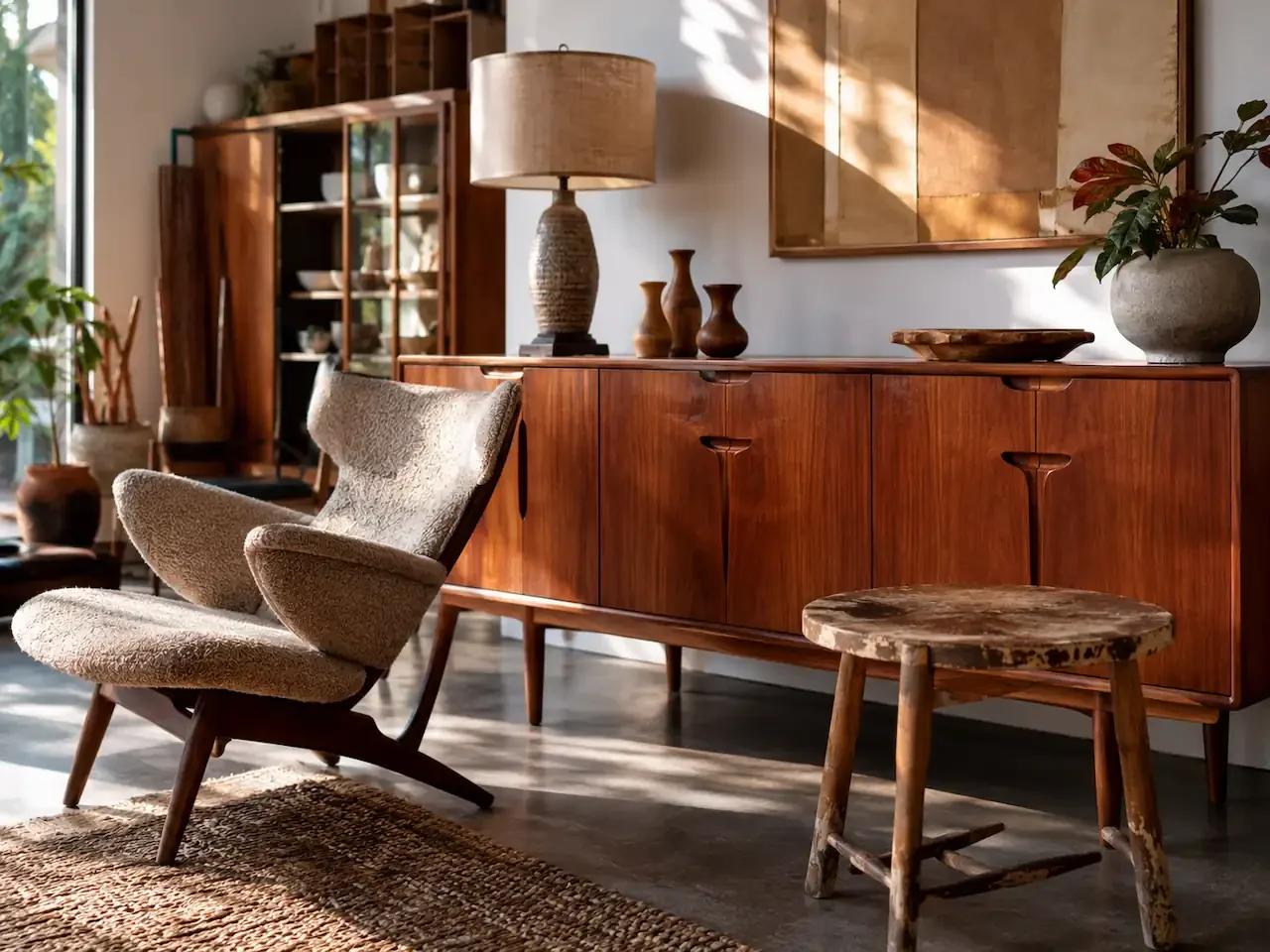
Two sideboards can look almost identical and still sell for very different prices. One might be a labelled Parker or Fler piece in original condition; the other, an unmarked reproduction with a modern glossy respray. The gap often comes down to:
Maker or designer attribution
Original labels, stamps or maker's marks
Timber type and veneer quality (solid vs veneered)
Structural condition
Original finish and hardware
Rarity and current demand
Size and everyday usability
Restoration history
Local buyer interest
The most common mistake I see is people valuing furniture from a single online listing. Asking prices are not sold prices. A sideboard listed at $1,800 might sit unsold for months and eventually move at $900 — condition and buyer urgency change everything.
What Australian Mid-Century Furniture Is Actually Worth Right Now
Because most of our clients are in Melbourne, it's worth being specific about the local market rather than quoting overseas auction results, which run much higher and rarely apply here.
As a general guide for unrestored Australian mid-century pieces in good, honest condition:
Sideboards and buffets by known Australian makers (Parker, Fler, Chiswell) typically sell in the low hundreds to just over a thousand dollars, depending on model, size and condition.
Dining suites and chairs vary widely — a set with damaged upholstery or a broken leg will sell for a fraction of a complete, structurally sound suite.
Danish and Scandinavian imports (G-Plan, McIntosh, and similar) are judged on solid timber content, joinery, and originality rather than brand recognition alone.
Rare or design-attributed pieces — labelled, documented, or by a recognised designer — can sell well above these ranges, sometimes into the thousands.
The key takeaway from talking to collectors, dealers and restorers across Melbourne: the same model can sell for $200 at a garage sale and $5,000+ through a specialist, and both prices can be genuine. It depends entirely on condition, presentation and where it's sold.
The Names Worth Knowing (and What They Mean for Value)
If you're trying to work out whether your piece is worth something, it helps to know which Australian and Danish names actually move the needle:
Parker Furniture — Sydney-founded, teak-focused, the most recognised (and most misattributed) Australian mid-century brand
Fler — Melbourne-based, more Bauhaus-influenced, formal lines, attracts a specific collector
Chiswell, Burgess, Hayson, TH Brown — quality Australian makers with genuine collector interest
G Plan, McIntosh, and other Danish/Scandinavian imports — valued on solid construction and joinery, not just the name
A name on a label is one input into value, not the whole answer. I've restored unlabelled pieces that were better made than some labelled ones — solid timber, hand-cut joints and honest proportions still speak for themselves. If you're not sure what you're looking at, our guide to identifying valuable mid-century furniturewalks through the physical signs of quality beyond the label.
How Makers Marks, Stamps and Labels Affect Value
Marks, stamps and labels matter because they confirm origin manufacturer, retailer, model, and often the production period.
Check the underside of tables, inside drawers, behind cabinets, under chair seats, along drawer runners, and inside cupboard doors. These marks are often small, faded or partly worn away, so a careful, patient inspection matters more than a quick glance.
A mark should also make sense with the rest of the piece. If the construction, timber, hardware and general age don't line up with the label, treat it cautiously with mismatched labels and later "married" pieces do turn up.
Never sand, wash or scrape a suspected mark. Even a faint stamp can help establish history, and once it's gone, it's gone for good. For a full walkthrough of where marks hide and how to read them, see our detailed guide on makers' marks, stamps and labels.
How Condition Changes Mid-Century Furniture Worth
Condition is arguably the single biggest swing factor in value. A piece with a strong frame and honest wear is usually worth restoring. A piece with severe veneer loss, missing components, heavy water damage, or a botched previous repair needs more careful thought before you spend money on it.
Common condition issues that affect value:
Loose joints or an unstable frame
Deep scratches or dents
Sun fading or uneven colour
Water rings and stains
Veneer chips or lifting
Missing handles or hardware
Sticky, degraded polish buildup
Poor DIY sanding or repainting
A tired, worn finish doesn't automatically mean low value in most cases, the timber underneath is still excellent. The real question is whether it can be restored safely without losing what made it valuable in the first place.
Our article on whether mid-century furniture can be restored without losing value explains why preservation-led repair almost always beats aggressive refinishing.
What Collectors and Online Communities Say About Buying and Selling
Beyond what I see in the workshop, forums like Reddit and Quora, and vintage-furniture groups on Facebook and LinkedIn, are full of people asking the same questions: "Is this worth anything?" and "Am I overpaying?" A few patterns come up again and again:
"Sold" prices beat "listed" prices every time. Community advice consistently pushes buyers and sellers to check completed sales, not just current asking prices, before deciding a piece is valuable.
Weight and materials are a quick gut check. Enthusiasts often mention lifting a piece before buying — solid timber and quality veneer feel noticeably heavier than particleboard or MDF reproductions dressed up in a mid-century style.
Over-restoration is a recurring regret. Sellers and collectors frequently warn against a glossy, "too perfect" finish, noting it can turn off buyers who specifically want original patina and honest age.
Photos make or break online sales. Listings with clear photos of labels, joinery, timber grain and any damage consistently get more genuine enquiries than vague, poorly lit posts.
Local knowledge beats guesswork. Because Australian makers like Parker and Fler rarely turn up in overseas price guides, local collectors and Melbourne-based restorers are usually a more reliable value check than generic international pricing sites.
The consistent theme across these communities is the same one I tell clients in the workshop: evidence and condition decide value, not hope.
How Much Should I Spend on MCM Furniture?
When people ask how much they should spend, I always tell them to think beyond the sticker price. A cheap piece can end up expensive once it needs structural repair, veneer work or professional refinishing. A pricier piece can be better value if it's authentic, stable and already in good shape.
Your real budget should factor in:
Purchase price
Transport cost
Repair or restoration cost
Missing parts or hardware
Reupholstery, if needed
Long-term usefulness
Resale potential
Decide what you're buying for before you start looking. Personal use, resale, investment and restoration projects each call for a different level of caution around price and condition. If the design is for your home and you love it, value isn't purely financial. If you're buying to resell, you need to be far more disciplined about condition, demand and total cost once restoration is factored in.
Best Place to Sell Mid-Century Furniture in Melbourne
There's no single best place to sell it depends on the piece and how quickly you need to sell it.
Local online marketplaces work well for fast sales of practical, bulky pieces like tables, chairs, cabinets and sideboards. You get local buyer access and easier pickup, but expect heavier negotiation.
Specialist vintage furniture platforms suit higher-quality or collectible pieces. Buyers here understand design value, but listings need stronger photography, accurate descriptions and more patience.
Auction houses can suit rare, designer or highly collectible pieces, creating competitive bidding — though fees and timing need to be weighed up.
Consignment stores and vintage dealers are useful if you want expert handling and less direct selling work. You'll likely net less than a private sale, but the process is far easier.
If you're deciding whether to restore before selling, our guide to furniture restoration cost in Melbourne will help you weigh the likely repair investment against the potential uplift in selling price.
Should You Restore Before Selling?
Restoring before selling can help but only when it's done properly. A clean, stable, well-presented piece is easier to sell than one that looks neglected. Over-restoration, on the other hand, can actually reduce appeal, especially with buyers who specifically want originality.
Before restoring for sale, ask three questions:
Will restoration genuinely improve usability?
Will restoration preserve the original character?
Will the likely value increase justify the cost?
Light cleaning, joint repair and careful finish revival almost always help. Heavy sanding, repainting, swapping out original hardware, or applying a modern glossy coating can hurt value on a collectible piece. If your furniture is rare, labelled or high quality, get advice before touching the surface buyers consistently prefer honest wear over a poor refinish.
How to Value Mid-Century Furniture Before Selling
Valuing furniture properly is about gathering evidence, not guessing. Before you set a price:
Check for makers marks, labels or stamps
Photograph the piece from every angle
Record dimensions clearly
Note condition issues honestly
Compare similar sold items, not just listed prices
Consider local demand and transport difficulty
Ask a professional if the piece might be genuinely valuable
Photos matter more than most sellers realise. Clear images of the full item, joinery, drawers, legs, timber grain, labels and any damage build buyer trust immediately. Be honest in your description scratches, fading, veneer damage or loose joints should all be mentioned. Serious buyers appreciate the transparency and it protects you from disputes later.
If you'd like a second opinion before listing, restoring or keeping a piece, you can contact our Melbourne restoration experts for advice.
Buying Mid-Century Furniture: What to Check First
It's easy to overpay if you're buying on looks alone. Before you buy, inspect:
Frame stability
Drawer movement
Veneer condition
Leg joints
Water damage
Hardware originality
Signs of repainting or heavy sanding
Unusual odours or moisture issues
Maker labels or stamps
Don't be put off by normal age-related wear, small scratches, a faded finish and loose joints can usually be repaired. Be far more cautious with severe veneer loss, major structural movement, missing parts, or poorly executed DIY work. We regularly see clients bring in pieces bought quickly because they look good in a photo online. A careful inspection before you buy saves real money later.
Restoration and Long-Term Value
Restoration protects mid-century furniture value when the work respects the piece. The goal is to improve stability, usability and appearance without erasing its history.
Good restoration typically includes structural repair, careful cleaning, finish revival, colour balancing, veneer repair and hardware preservation. Poor restoration usually means aggressive sanding, thick modern coatings, incorrect stains or unnecessary replacement of original parts.
A strong restoration approach preserves:
Original timber and veneer wherever possible
Correct proportions and design language
Maker labels and internal marks
Original hardware, where it's still usable
Natural grain and a period-appropriate finish
For pieces with surface damage, structural issues or faded timber, our furniture restoration services are built around protecting long-term value while keeping the piece genuinely usable — and if you'd like hands-on guidance rather than a full restoration, our furniture restoration workshops teach the same preservation-led techniques we use in the workshop.
This matters most when a piece has sentimental value. Not everything needs to hit market price to be worth saving — sometimes the right call is simply to maintain the value of a piece during restoration rather than sell it at all.
Common Mistakes When Buying or Selling Mid-Century Furniture
Most mistakes happen because people rush. Sellers underprice valuable pieces by skipping the check for marks, timber and comparable sales. Buyers overpay because they fall for the shape and ignore the damage.
Common mistakes to avoid:
Pricing from asking prices instead of sold prices
Ignoring condition and likely restoration cost
Sanding before checking for makers marks
Selling too quickly without proper photos
Buying without checking for veneer damage
Assuming every mid-century-style piece is authentic MCM
Over-restoring before resale
Replacing original hardware unnecessarily
Pause before making any permanent change to a piece. A careful inspection protects both its financial value and its original character.
When Professional Advice Is Worth It
Professional advice earns its cost when a piece is potentially valuable, labelled, rare, damaged, or genuinely hard to assess and when you're deciding whether to restore, sell, insure, or simply keep it.
We don't just look at surface appearance. We assess structure, timber, veneer, finish, originality and realistic restoration options, so you have a clearer path forward rather than a guess.
Sometimes the best advice is to restore. Sometimes it's to sell as-is. Sometimes it's to leave the original finish alone entirely and only repair the structure. The right answer depends on the specific piece in front of us.
Conclusion
Mid-century furniture worth depends on far more than age. Maker, condition, originality, timber, design, current demand and restoration quality all shape the final number. A labelled Parker or Fler piece may attract strong interest, but an unmarked piece can still be worth keeping, restoring or selling if the craftsmanship holds up.
If you're buying, think about total cost, not just the purchase price. If you're selling, choose the right platform for the quality of your piece and describe it honestly — and always check sold prices, not asking prices. If you're restoring, focus on protecting original character rather than making the furniture look brand new.
At Mid Century Modern Restoration Man in Fitzroy, we help Melbourne owners understand what their furniture is really worth, protect the details that matter, and make confident decisions that support long-term use and preservation. If you're weighing up a piece right now, book a free consultation and we'll help you work out the right next step.
Why Choose Us
Careful mid-century furniture assessment and restoration guidance focused on value preservation, original character, and long-term usability
30+ years of hands-on experience with Australian and Danish mid-century pieces
We assess condition, timber, veneer, structure and originality — not just the label
We protect makers marks, labels and other important details
We help clients decide whether to restore, sell, or keep a piece
Preservation-led restoration methods carried out entirely by hand in our Fitzroy workshop
Honest, practical advice for Melbourne owners, with pick-up available across Greater Melbourne
Frequently Asked Questions
What is my mid-century furniture worth?
Value depends on several factors together: maker, condition, originality, timber species, size, current demand and restoration history. Pieces by recognised Australian makers like Parker and Fler, or genuine Danish imports, are often worth more — especially with labels, original hardware, veneer and finish intact. A professional assessment can tell you whether a piece is decorative, collectible or genuinely valuable.
How much is a Parker or Fler piece actually worth in Australia?
It varies enormously by model, size and condition. Unrestored sideboards and buffets by quality Australian makers commonly sell in the low hundreds to just over a thousand dollars, while rare, labelled or highly original pieces can sell for considerably more. The same model can sell for a fraction of that at a garage sale versus through a specialist dealer, so always check recent sold prices rather than one listing.
What is the best place to sell MCM furniture in Melbourne?
It depends on the type, condition and value of the piece. Local marketplaces suit quick sales of bulky, practical furniture, while specialist vintage platforms attract buyers looking for authentic or collectible design. Rare, documented or designer pieces often perform better through reputable auction houses or specialist dealers.
How much should I spend on MCM furniture?
Budget for more than the purchase price. Transport, structural repairs, upholstery, refinishing and ongoing care can add significantly to the total cost. A well-made piece in good original condition often offers better long-term value than a cheaper item that needs extensive restoration.
Does restoration increase mid-century furniture value?
Careful restoration can protect or improve value when it stabilises the furniture and preserves its original character — respecting the timber, veneer, proportions, labels, hardware and finish wherever possible. Poor restoration, particularly heavy sanding or a modern glossy respray, can reduce value by removing original materials or making the piece look heavily altered.
Should I sell mid-century furniture as-is or restore it first?
It depends on the furniture's condition and what likely buyers expect. Gentle cleaning, tightening loose joints and necessary structural repairs can improve presentation without changing the original character. Rare, labelled or highly original pieces should be professionally assessed before any sanding, stripping or refinishing.
How do I know if my MCM furniture is authentic?
Check for maker's marks, labels, stamps or model numbers, but don't rely on that alone. Construction methods, timber species, veneer patterns, hardware, proportions and genuine signs of age all provide evidence. Comparing your piece against documented examples, or getting a specialist assessment, gives far more confidence than guessing from photos alone.
Have a piece you're not sure about? Contact our Melbourne restoration experts or book a free consultation — we're happy to help you work out whether to restore, sell or simply enjoy what you've got.