
How to Restore Old Wooden Furniture
From my experience working with timber furniture in Melbourne, restoring old wooden pieces is always a detailed process that requires patience and the right technique. Every item I work on has its own history, and my focus is always on bringing it back to a usable, beautiful condition while keeping its original character intact.
Most of the pieces that come into my Northcote workshop have the same story faded finishes, surface scratches, or joints that have loosened over years of use. Whether it's been sitting in a Fitzroy terrace or a Preston family home, the restoration approach starts the same way.
Assessing the Condition Before Restoration
Whenever I start working on an old wooden piece, the first step is a careful inspection. I look closely at:
Surface wear such as scratches, stains, or discoloration
Weak or loose joints in the structure
Old or damaged finishes
Signs of moisture, sun exposure, or aging
This evaluation helps me decide the correct restoration approach for each piece.
Cleaning and Preparing the Furniture
Before any repair work begins, I always prepare the surface properly.
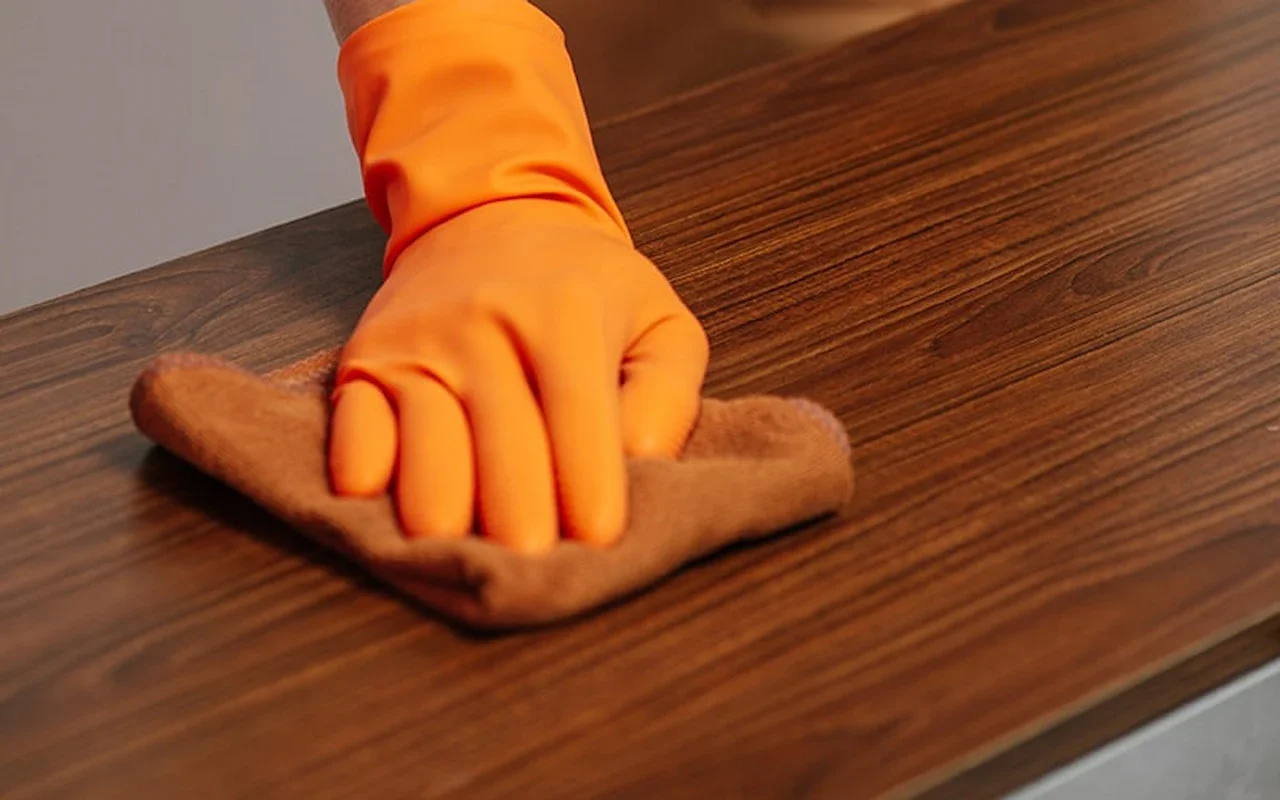
My process includes:
Removing dust, grime, and old residue
Using gentle, wood-safe cleaning methods
Avoiding harsh chemicals that can damage timber
Preparing the surface for sanding or refinishing
This stage is essential in all furniture restoration melbourne work because proper preparation ensures a cleaner and longer-lasting finish.
Repairing Structural Issues
Once the surface is ready, I move on to structural restoration.
This may involve:
Tightening or repairing loose joints
Reinforcing weakened frames
Replacing broken or missing timber sections
Restoring traditional joinery techniques
Strong structure is always my priority before focusing on appearance.
Sanding and Refinishing the Surface
After repairs, I carefully sand the furniture to smooth the surface and remove old finishes where needed.
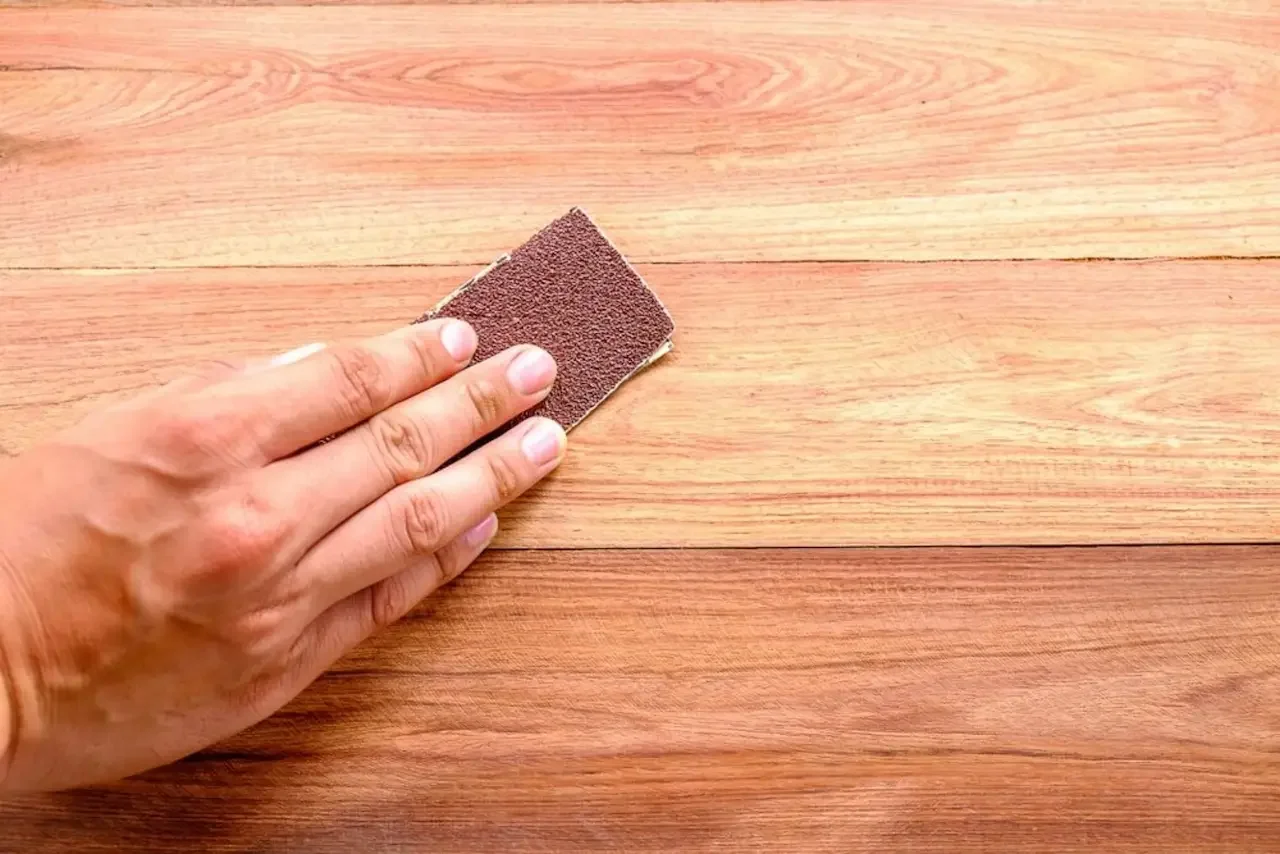
Then I apply:
Timber oils to nourish the wood
Stains to restore or adjust color
Protective coatings for durability
Getting this right matters for a specific reason here Melbourne's swings between dry heat and damp winters put real stress on old timber, so the refinishing has to allow the wood to keep moving naturally rather than sealing it in too tightly.
Restoring the Original Look
Old furniture often loses its original tone over time, so color matching becomes an important part of my process.
I always aim to:
Match original wood tones as closely as possible
Highlight natural grain patterns
Preserve the original style and design feel
This brings the furniture back to life while keeping its vintage identity.
Final Finishing and Protection
The final step is protecting the restored piece so it lasts for years.
I usually apply:
Protective sealants
Natural wax or polish
Finishing layers for durability and shine
This ensures the furniture is not only restored but also protected from future wear.
My Approach to Restoration Work
When I restore furniture, my focus is always on:
Keeping as much original material as possible
Respecting the craftsmanship of the original maker
Using traditional restoration techniques
Ensuring long-term durability, not just surface improvement
Every piece is treated as a unique restoration project.
Final Thoughts
Restoring old wooden furniture is about more than repair it is about preserving craftsmanship and extending the life of something valuable. With the right approach, even heavily aged furniture can regain its beauty and function.
Working out of Northcote, I've restored pieces from right across Melbourne that looked beyond saving and more often than not, they weren't.
Restoring Furniture in Melbourne's Climate
Melbourne's weather is hard on old timber. Hot, dry summer stretches followed by damp winters cause wood to expand and contract more than most other Australian cities, which is why furniture that's been fine for decades can suddenly start showing cracked veneer or loose joints. Homes with a lot of north-facing light common across Melbourne's inner-north suburbs also fade finishes faster than people expect. I factor this into every restoration, choosing finishes that flex with the timber rather than trap moisture underneath. If you're picking up or dropping off furniture, I collect and deliver across Northcote, Fitzroy, Thornbury, Preston, and the wider Melbourne area.
FAQs
1. Can very old wooden furniture still be restored?
Yes, most old furniture can be restored depending on its structural condition.
2. How do you start restoring wooden furniture?
It begins with inspection, cleaning, and assessing structural damage.
3. Is refinishing always necessary?
No, only when the surface is damaged or the finish is heavily worn.
4. Can original wood be preserved during restoration?
Yes, in most cases the original timber can be fully maintained.
5. What finish works best for restored furniture?
Natural oils and traditional wax finishes are commonly used.
6. Is restoration better than buying new furniture?
Often yes, especially for vintage or well-crafted wooden pieces.